| Adaptive Traffic Signal Controller |
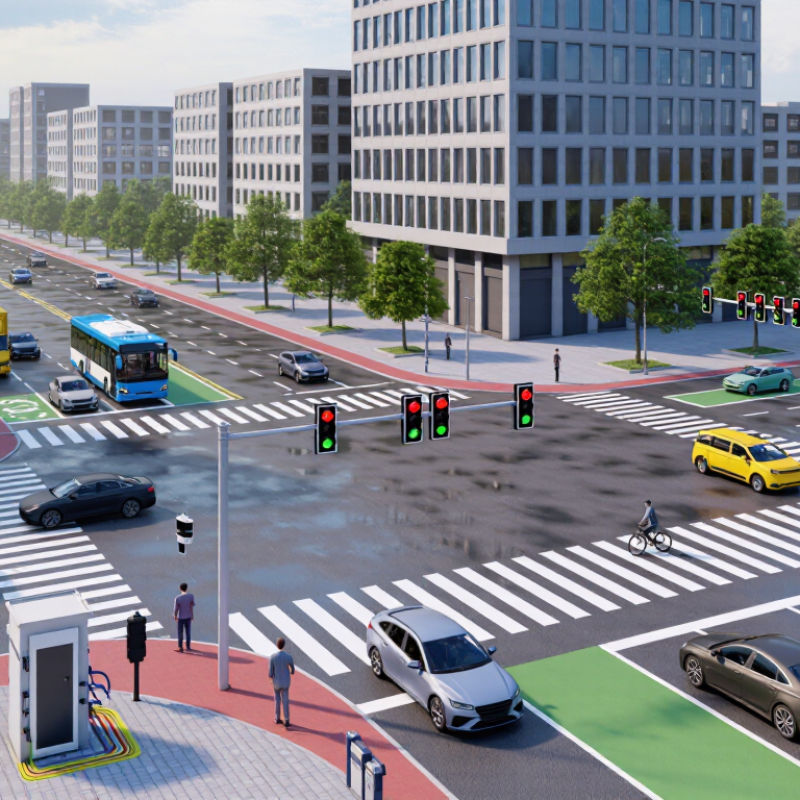
Urban intersections, coordinated corridors, bus-priority routes, and congestion management. |
Conflict monitoring, red-light clearance control, pedestrian phase protection, emergency-vehicle priority, and fail-safe signal operation.
|
Typical operating range: −30°C to +70°C. Outdoor cabinet protection commonly specified at IP54 or higher; field equipment may require IP65.
|
NEMA TS 2, EN 12675, IEC 61000 series for electromagnetic compatibility, and local electrical and traffic-control regulations.
|
Real-time traffic-actuated timing, cloud or central-system connectivity, cybersecurity logging, remote firmware management, and open communication protocols such as NTCIP or equivalent regional protocols.
|
Verify controller event logs, maximum supported signal groups, detector inputs, communication redundancy, failover behavior, cabinet thermal testing, and cybersecurity update policy.
|
| LED Variable Message Sign |
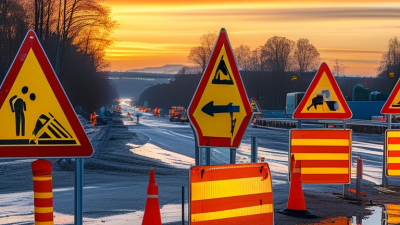
Motorways, tunnels, incident management, work zones, travel-time information, and lane-control applications. |
High-contrast messages, automatic brightness control, warning-message prioritization, legibility at approach speed, and redundant LED modules.
|
Typical enclosure rating: IP65 front and rear. Common ambient operating range: −30°C to +60°C. LED service-life claims should be supported by LM-80/TM-21 or equivalent evidence.
|
EN 12966, EN 60529, IEC 60068 environmental tests, and applicable national road-sign and electrical-safety requirements.
|
Automatic dimming, remote diagnostics, travel-time data integration, lane-control symbols, solar-plus-battery options for temporary deployment, and encrypted remote access.
|
Assess luminance uniformity, viewing angle, pixel pitch, message refresh time, power consumption, battery autonomy where applicable, and visibility during rain, snow, and direct sunlight.
|
| Vehicle Detection and Classification System |
Signal actuation, traffic counting, speed monitoring, queue detection, toll-road analytics, and incident detection. |
Detection zones should minimize missed vehicles, false calls, and unsafe phase extensions. Radar and video systems should provide configurable detection confidence thresholds.
|
Outdoor sensors commonly require IP65 or IP66. Typical operating ranges are approximately −30°C to +60°C, subject to sensor technology and enclosure design.
|
EN 50155 or equivalent may apply to transport equipment; local traffic-detector specifications, CE/UKCA or other regional conformity requirements, and applicable radio regulations should be checked.
|
Edge processing, anonymized analytics, radar-video fusion, wrong-way detection, queue-length estimation, API access, and health monitoring with automatic fault alerts.
|
Compare accuracy by vehicle class, weather condition, speed range, lane width, installation height, calibration interval, latency, privacy controls, and data-retention settings.
|
| High-Performance Road Safety Barrier |
Roadside hazards, bridges, medians, work zones, and locations requiring vehicle containment and redirection. |
Performance should be selected by containment level, working width, impact severity, vehicle redirection, pocketing behavior, and occupant-risk indicators.
|
Hot-dip galvanized steel commonly follows ISO 1461 or equivalent coating requirements. Concrete, steel, and polymer components must be assessed for corrosion, UV exposure, freeze-thaw cycles, and impact-related deformation.
|
EN 1317 series, MASH, AASHTO roadside-safety guidance, and applicable national barrier standards. The selected test method must match the purchasing authority’s jurisdiction.
|
Embedded impact sensors, barrier-displacement monitoring, geofenced maintenance alerts, digital asset records, and inspection data linked to GIS platforms.
|
Check containment level, working width, dynamic deflection, transition design, terminal compatibility, foundation requirements, repair time, spare-part availability, and full-scale crash-test documentation.
|
| Crash Cushion and Impact Attenuator |
Bridge ends, gore areas, fixed hazards, work-zone transitions, and high-speed road approaches. |
Key indicators include redirection capability, occupant-risk performance, impact-energy absorption, vehicle stability, and performance for multiple impact angles.
|
Materials should resist corrosion, water ingress, UV exposure, and repeated temperature cycling. Replaceable cartridges or modules can reduce post-impact restoration time.
|
EN 1317-3, MASH, and local road-authority specifications. Test level and installation configuration must correspond to the posted speed and site hazard.
|
Impact-status sensors, remote inspection alerts, QR or RFID asset identification, digital installation records, and automated maintenance work orders.
|
Review test level, redirective or non-redirective classification, length and width, working width, spare-module availability, reset procedure, and compatibility with adjoining barriers.
|
| High-Durability Pavement Marking System |
Lane lines, arrows, pedestrian crossings, stop bars, cycle lanes, and high-friction road markings. |
High daytime visibility, nighttime retroreflectivity, skid resistance, wet-weather performance, and clear lane guidance are the primary safety measures.
|
Thermoplastic and MMA systems are commonly selected for higher wear resistance than conventional paint. Performance depends on traffic volume, surface preparation, aggregate quality, and winter maintenance.
|
EN 1436, EN 1871, AASHTO M249, ASTM D6628, and local pavement-marking specifications, depending on the project location.
|
Digital retroreflectivity records, mobile condition surveys, GIS-based maintenance planning, and machine-readable asset identification.
|
Specify dry and wet retroreflectivity, skid-resistance value, film thickness, bead application rate, adhesion, cure time, removal method, and expected performance under local traffic and climate conditions.
|
| Solar-Powered Roadside Warning Beacon |
School zones, pedestrian crossings, rural intersections, curves, temporary hazards, and locations without grid power. |
Flash pattern visibility, correct approach-side placement, day/night recognition, low-voltage protection, and reliable operation during reduced sunlight.
|
Typical enclosure rating: IP65 or higher. Battery autonomy is commonly designed for approximately 3–7 days, depending on flash rate, location, battery chemistry, and winter solar conditions.
|
EN 12352, IEC 60529, IEC 62262 for impact resistance where applicable, and local solar-lighting and road-sign requirements.
|
Solar-charge monitoring, battery-health diagnostics, adaptive flash scheduling, remote fault alarms, GPS asset location, and low-power communications.
|
Evaluate luminous intensity, solar-panel wattage, battery capacity, autonomy calculation, charging performance, pole and foundation requirements, vandal resistance, and winter-climate performance.
|
| Pedestrian Crossing Detection and Warning System |
Unsignalized crossings, school routes, transit stops, campuses, and locations with high pedestrian exposure. |
Reliable pedestrian presence detection, advance warning, adequate crossing visibility, accessibility support, and prevention of conflicting indications.
|
Outdoor equipment commonly requires IP65 or higher. Components should be tested for UV exposure, condensation, temperature cycling, and vandal impact.
|
EN 12966 may apply to variable signs; EN 12352 may apply to warning lights; accessibility requirements should follow local legislation and road-authority guidance.
|
Thermal or radar detection, adaptive activation, near-miss analytics, audible and tactile accessibility signals, remote status reporting, and privacy-preserving edge processing.
|
Measure detection accuracy, activation delay, false-alarm rate, crossing width, approach speed, accessibility compliance, illumination level, and integration with existing signal or sign systems.
|
| Connected Roadside Unit and Traffic Data Platform |
Smart corridors, connected intersections, emergency management, freight routes, and multi-agency traffic operations. |
Supports hazard broadcasting, signal-status exchange, incident alerts, road-weather information, and prioritized emergency communications.
|
Outdoor roadside units are commonly specified at IP65 or IP66, with surge protection, vibration resistance, thermal management, and redundant communications for critical sites.
|
ETSI ITS-G5, C-V2X or other regionally approved communications, ISO 15118 where relevant to charging infrastructure, ISO 27001 security practices, and national spectrum regulations.
|
Edge computing, certificate-based authentication, secure boot, over-the-air updates, time synchronization, open APIs, digital twins, and integration with traffic-management platforms.
|
Review communication range, message latency, supported standards, cybersecurity architecture, fail-safe mode, data ownership, interoperability testing, network availability, and lifecycle software-support period.
|
| Intelligent Road-Weather and Surface-Condition Station |
Bridges, mountain roads, winter-service routes, tunnels, exposed highways, and climate-risk corridors. |
Early detection of ice, standing water, poor visibility, strong wind, and reduced friction can support variable warnings and maintenance decisions.
|
Sensors should be rated for continuous outdoor exposure, salt spray, precipitation, icing, and temperature extremes. Typical stations use corrosion-resistant poles and sealed electronics.
|
WMO guidance may apply to meteorological observations; IEC 60529, IEC 61000, and local road-weather monitoring specifications should be verified.
|
Predictive icing models, friction estimation, camera verification, automated alerts, weather-service integration, solar power, and dashboard-based maintenance dispatch.
|
Compare measurement accuracy, calibration interval, sensor redundancy, response time, data transmission reliability, false-alert rate, power autonomy, and local climate validation.
|