2026 Best RO Plant Water Chiller for Global Buyers?

Selecting the 2026 best Ro Plant Water Chiller requires more than comparing cooling capacity or purchase price. Global buyers need stable temperature control, reliable compressors, corrosion-resistant materials, and service support near the installation site. A chiller operating beside a reverse osmosis system may face heat, dust, mineral deposits, and continuous demand. Small design mistakes can reduce membrane performance and increase energy consumption.

Professor Menachem Elimelech, a leading membrane-treatment researcher, has emphasized, “Membrane performance depends on feed-water quality, not only membrane design.” That principle also applies to cooling equipment. A well-designed Ro Plant Water Chiller should match the plant’s feed flow, operating temperature, ambient climate, and cleaning schedule. It should also protect sensitive membranes from sudden thermal changes. Look closely at heat-exchanger materials, refrigerant compliance, control accuracy, pump efficiency, and alarm functions. Details matter.

Still, no model is perfect. A compact unit may save space but struggle during peak summer operation. A powerful chiller may offer capacity yet consume excessive electricity at partial load. Buyers should request test data, warranty terms, maintenance records, and references from comparable plants. Ask uncomfortable questions. Can local technicians repair it? Are replacement parts available? Does the supplier understand water-treatment operations, or only refrigeration?

This guide compares practical options for different regions, plant sizes, and operating conditions. It focuses on measurable performance, long-term reliability, and realistic ownership costs. The best choice is not always the most expensive machine. It is the one that remains stable when conditions become difficult.

2026 Best RO Plant Water Chiller for Global Buyers?

What Is an RO Plant Water Chiller?

What Is an RO Plant Water Chiller?

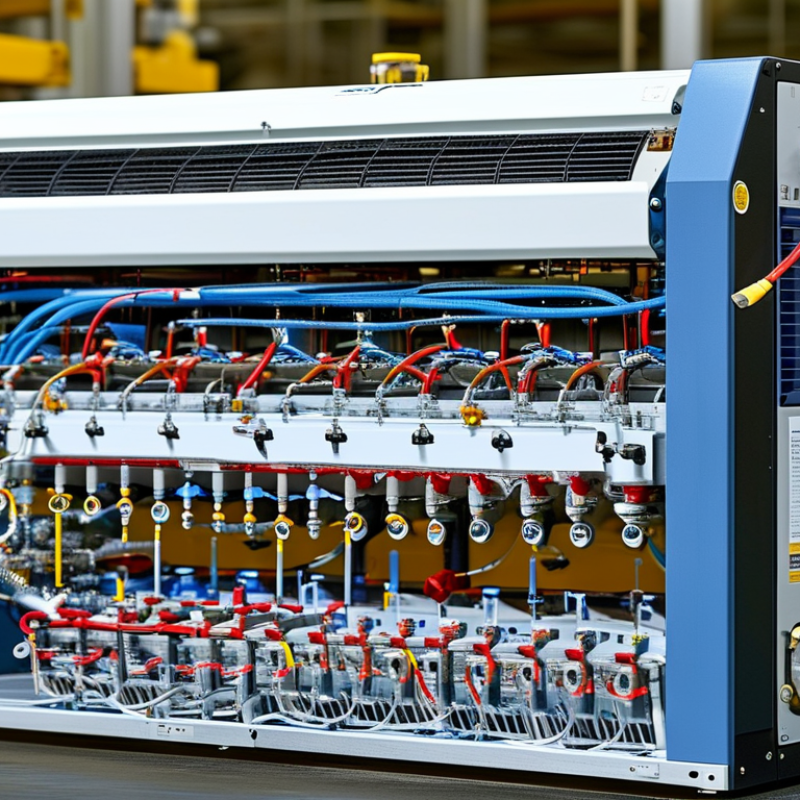
An RO plant water chiller is a cooling system for reverse osmosis equipment. It removes heat from process water, seal water, or membrane-feed streams. The chiller usually includes a compressor, heat exchanger, pump, controls, and a closed cooling loop. It is not the RO membrane itself. It supports stable operation around it.

Temperature matters. Warmer feedwater usually increases permeate flow, but it can reduce rejection and accelerate membrane stress. Cooler water can improve control, yet excessive cooling wastes energy. The International Desalination Association’s 2023–2024 data place modern seawater RO energy use commonly near 3–4 kWh per cubic metre. An inefficient chiller can quietly increase that figure. Small losses become expensive at high flow rates.

In practice, engineers size the chiller from flow, inlet temperature, target temperature, ambient conditions, and heat load. A coastal plant may face humid air, saline dust, and limited maintenance access. The UNESCO World Water Development Report 2024 states that agriculture represents roughly 70% of global freshwater withdrawals. That pressure makes reliable water treatment increasingly important. A common design mistake is selecting capacity from average conditions only. Peak summer temperatures can expose weak assumptions. The safer approach is measured data, realistic fouling allowances, and careful control settings. Even then, the calculation may need revision.

2026 Best RO Plant Water Chiller for Global Buyers? - What Is an RO Plant Water Chiller?

Technical comparison guide for selecting process-water cooling equipment for reverse osmosis plants

Evaluation Dimension What It Means in an RO Plant Typical Requirement or Range Recommended Selection Guidance Global Buyer Checkpoint
What is an RO plant water chiller? A packaged cooling system that removes heat from RO feed water, permeate, product water, or a related process loop before the water enters a temperature-sensitive process. Usually consists of a refrigeration circuit, heat exchanger, circulation pump, controls, sensors, and safety protection. Select the chiller according to actual flow, inlet temperature, required outlet temperature, ambient conditions, and water chemistry. Confirm whether the equipment is intended for potable water, industrial process water, wastewater, or a closed-loop application.
Cooling capacity The rate at which the unit removes heat from the water stream. Common small and medium systems: approximately 3–350 kW; larger installations may require multiple modules or central chilled-water systems. Size from the calculated heat load rather than from RO membrane capacity alone. Include heat from pumps, tanks, pipes, and the surrounding environment. Request rated capacity at the actual design water temperature and local ambient temperature.
Water flow rate The volume of water passing through the evaporator or process heat exchanger per unit of time. Typical packaged units may handle about 0.5–70 m³/h, depending on cooling capacity and temperature difference. Use the continuous operating flow, not only the peak flow. Check minimum and maximum flow limits to prevent poor heat transfer or freezing. Confirm connection size, pump head, flow switch requirements, and compatibility with metric or imperial piping.
Inlet and outlet temperature The temperature reduction required across the chiller. Many process-water applications use an inlet range of approximately 15–35°C and an outlet range of approximately 5–25°C. Specify both temperatures and the required stability. Do not select only by nominal setpoint. Check performance at the hottest seasonal inlet condition and the lowest permitted outlet temperature.
Temperature stability The ability to maintain a consistent water temperature during changing RO demand. Standard control may maintain approximately ±1–2°C; tighter control requires suitable sensors, control valves, and a buffer tank. Choose tighter control only when membrane performance or downstream production genuinely requires it. Ask for control accuracy, sensor location, response time, and operating data under partial load.
Cooling method How heat is rejected from the refrigerant to the surrounding environment. Air-cooled: simple installation and no cooling tower water. Water-cooled: generally more compact and efficient where a reliable cooling-water system is available. Use air-cooled units where water conservation and simple installation are priorities; consider water-cooled units for large, continuous-duty plants. Evaluate ambient temperature, water availability, fouling risk, noise limits, and maintenance capability.
Water-side materials Materials that contact feed water, permeate, concentrate, or process water. Common choices include stainless steel, titanium, copper-nickel, coated carbon steel, and engineered plastics, depending on chemistry. Match materials to chloride level, pH, conductivity, disinfectants, temperature, and cleaning chemicals. Request material certificates and corrosion guidance for the exact water analysis.
Refrigerant considerations The refrigerant affects energy use, service requirements, safety classification, and environmental impact. Refrigerants differ by global phase-down rules, global warming potential, flammability, operating pressure, and technician availability. Prioritize legally permitted refrigerants, trained service support, leak protection, and long-term availability. Verify compliance with the destination country’s refrigerant regulations and import requirements before ordering.
Energy efficiency The cooling output delivered relative to electrical input. Efficiency varies significantly with load, temperatures, compressor type, condenser condition, and fan or pump control. Compare COP or EER at identical entering and leaving water temperatures, not only at standard laboratory conditions. Request full-load and part-load power data, standby consumption, and annual energy estimates.
Electrical compatibility The power supply required by the compressor, pump, fans, controls, and auxiliary equipment. Common industrial supplies include 220–240 V or 380–415 V, three-phase, 50 or 60 Hz; exact requirements vary by location. Specify voltage, phase, frequency, starting method, short-circuit rating, and acceptable voltage tolerance. Confirm local electrical certification, control-panel language, cable standards, and power-factor requirements.
Operating environment The ambient conditions in which the chiller must operate reliably. Standard equipment may be designed for approximately 5–40°C ambient; high-ambient versions are needed for hotter climates. Allow for altitude, humidity, dust, salt air, outdoor exposure, and seasonal temperature extremes. Check enclosure rating, corrosion protection, ventilation clearance, rain protection, and derating at altitude.
Control and integration The interface between the chiller and the RO plant control system. Typical functions include temperature control, flow protection, high and low pressure protection, anti-freeze protection, alarms, and remote start/stop. Choose a controller that supports dry contacts or the required industrial communication protocol. Confirm alarm outputs, data logging, remote monitoring, cybersecurity requirements, and language options.
Filtration and water quality Particles, scale-forming minerals, biological growth, and chemicals can reduce heat-transfer performance or damage components. The required pretreatment depends on turbidity, hardness, iron, silica, chloride, total dissolved solids, and cleaning regime. Install appropriate strainers, filters, chemical treatment, or a closed loop where necessary. Provide a current water analysis and define cleaning intervals before final equipment selection.
Noise and vibration Compressor, condenser fan, pump, and pipe vibration may affect workers, laboratories, or nearby buildings. Noise varies by compressor type, fan speed, enclosure, and installation; published sound-pressure values must state the measurement distance. Use variable-speed fans, acoustic treatment, vibration isolators, or remote installation where needed. Request sound data, foundation requirements, service clearances, and permitted operating hours.
Installation footprint The floor area, height, access space, and lifting arrangements required for installation and maintenance. Compact packaged units may be skid-mounted; larger units can require separate pumps, tanks, filters, and heat-rejection equipment. Review the complete system layout, not just the chiller dimensions. Confirm shipping dimensions, operating weight, lifting points, door access, and local foundation design.
Maintenance requirements Routine work needed to preserve cooling capacity, efficiency, water quality, and safe operation. Typical tasks include filter inspection, condenser cleaning, leak checks, electrical inspection, sensor calibration, and heat-exchanger cleaning. Select accessible components and establish preventive maintenance intervals based on operating hours and water quality. Check spare-parts availability, service manuals, technician training, warranty terms, and response time.
Best overall selection approach for 2026 The most suitable RO plant water chiller is not necessarily the largest or lowest-cost unit; it is the one that meets verified thermal, electrical, environmental, regulatory, and service requirements. A complete specification should include cooling capacity, flow, temperatures, water chemistry, ambient conditions, electrical supply, controls, materials, sound level, and documentation. Compare at least three technically equivalent quotations using the same design conditions and total ownership cost. Obtain performance data, compliance documents, installation drawings, commissioning procedures, and lifecycle cost information before purchase.
Engineering note: The ranges shown are typical planning values rather than universal ratings. Final chiller sizing should be based on a site-specific heat-load calculation, verified water analysis, actual climate data, and the required RO operating conditions.

How Does an RO Plant Water Chiller Work?

A reverse osmosis plant water chiller controls feedwater temperature before membrane filtration. A refrigeration compressor removes heat from a closed glycol or water loop. The cooled fluid passes through a plate heat exchanger. It then lowers the RO feedwater temperature without mixing with process water.

Temperature matters. Membrane water permeability typically changes by about 2.5% to 3% per °C, according to standard RO design guidance. Warmer water may increase flow, but it can also raise salt passage and stress membranes. Colder water reduces production. It may also increase pumping pressure. Precise control is essential.

A temperature sensor monitors the feed line continuously. A controller adjusts compressor capacity, fan speed, or bypass flow. Filters should protect the heat exchanger from scale and suspended solids. The International Energy Agency reports that global cooling demand could more than triple by 2050. Therefore, chiller efficiency deserves attention, not only cooling capacity. COP, heat-rejection conditions, and partial-load performance affect operating costs.

In practice, a chiller can be oversized. That sounds safe, but frequent cycling creates unstable temperatures and unnecessary energy use. I have seen designs focus on peak summer conditions while ignoring night operation. That is a weakness. Engineers should check seasonal water temperature, membrane recovery, cleaning intervals, and local power quality. The WHO Guidelines for Drinking-water Quality also support careful control of treatment processes, since inconsistent operation can affect final water safety.

2026 Best RO Plant Water Chiller for Global Buyers? – How Does an RO Plant Water Chiller Work?

The chart estimates the cooling capacity required to reduce RO process-water temperature by 5°C at different water flow rates. Values are calculated using the standard sensible-heat formula: Cooling capacity (kW) = 1.163 × flow rate (m³/h) × temperature reduction (°C). Actual chiller selection should also consider feed-water temperature, ambient conditions, pump heat, membrane operating limits, and a suitable design margin.

Which Specifications Matter for Global Buyers?

For a 2026 RO plant water chiller, global buyers should compare operating specifications, not only purchase prices.

Cooling capacity must match the membrane feed flow, inlet temperature, and local ambient conditions. A small mismatch can create unstable permeate quality and frequent compressor cycling. Specify capacity in kW, leaving-water temperature, flow rate, and design ambient temperature. Keep it measurable.

Energy efficiency deserves close attention.

The International Energy Agency reports that cooling demand could more than triple by 2050 without stronger efficiency improvements. For an RO facility running continuously, a modest COP improvement can reduce yearly electricity costs significantly.

Ask for COP or kW/ton at the actual operating point, not only at laboratory conditions. This detail is often overlooked.

Material selection is equally practical.

Stainless steel or properly protected heat exchangers can better tolerate humid, saline environments, although “corrosion-proof” is rarely absolute. Request water-quality limits, fouling allowances, and cleaning procedures.

Refrigerant choice also matters. UNEP’s Kigali Amendment assessment links lower-GWP refrigerants with climate protection, but service skills and regional availability may limit the best option.

Electrical frequency, control language, spare-part access, noise, and documentation should be confirmed before shipment.

I would also challenge optimistic capacity claims; field performance can fall when filters clog or summer air exceeds the stated rating.

How to Compare the Best RO Plant Water Chillers in 2026

When comparing the best RO plant water chillers in 2026, start with the actual cooling load. Do not choose by horsepower alone. Check feed-water temperature, required outlet temperature, flow rate, and daily operating hours. A small RO system may need stable cooling near 15°C, while a larger plant may require stronger heat removal. Numbers can mislead.

Ask for performance data under your conditions. Ambient temperature, water quality, and condenser airflow can change results. Compare cooling capacity, energy use, noise, footprint, and control accuracy. Stainless steel wetted parts may improve durability, especially where treated water contacts the system. Confirm whether the unit can handle continuous operation, automatic protection, and fault alarms. Look beyond price.

Service details deserve equal attention. Review warranty terms, spare-part availability, installation guidance, and response times. A chiller that stops production for two days may cost more than a higher-priced unit. Request a factory test report, but check how the test was performed. Was the room temperature realistic? Was the water flow similar to yours? I have seen specifications appear impressive until operating conditions changed. That is worth questioning.

Calculate total ownership cost over several years. Include electricity, filter cleaning, refrigerant maintenance, pump replacement, and downtime. Variable-speed control can reduce energy use during lower demand, though its value depends on the plant’s load pattern. Ask an independent technician to verify the selection before purchase. Small assumptions often create large operating problems.

How to Install, Operate, and Maintain an RO Plant Water Chiller

Installing an RO plant water chiller starts with a verified heat-load calculation, not a guessed capacity. The calculation should include feed-water flow, inlet temperature, target temperature, ambient conditions, and membrane operating limits.

Leave service clearance around filters, pumps, and heat exchangers. Use level foundations, flexible connectors, and correctly sized cables. Poor alignment creates vibration and premature seal failure.

The International Energy Agency reported that cooling electricity demand could more than triple by 2050, making efficient installation increasingly important.

Keep it stable.

During operation, record chilled-water supply and return temperatures, flow, pressure, compressor current, and RO feed conductivity.

A small temperature drift can reveal fouled filters or low refrigerant charge. Avoid excessive cooling; lower temperature does not automatically improve membrane performance.

The U.S. Department of Energy identifies chiller part-load efficiency as a major energy-saving opportunity, so variable-speed control and suitable setpoints deserve attention.

Operators should compare actual power use with the design baseline every week.

Maintenance needs a written schedule. Clean strainers, inspect condenser coils, test sensors, and check water treatment levels.

Examine insulation for sweating and leaks. Heat exchangers require periodic cleaning, especially where mineral scaling is visible.

Refrigerant work must follow qualified procedures and local environmental rules.

One practical weakness remains: many plants log temperatures but ignore flow readings. That makes efficiency problems harder to diagnose.

Recalibrate instruments after repairs, and review alarms instead of simply resetting them.

Product Added

Go to Quote Request Form

Continue Product Search