Best Roofing Drainage Mats for Efficient Water Management?
Effective water management is crucial for prolonging the lifespan of roofs. The use of a Roofing Drainage Mat can significantly enhance drainage capabilities. According to industry reports, improper drainage can lead to water pooling, resulting in severe structural damage. In fact, the National Roofing Contractors Association states that over 70% of roof failures stem from inadequate drainage.
A well-designed Roofing Drainage Mat facilitates efficient water flow, reducing the risk of damage. These mats are engineered with specific materials that allow for both drainage and air circulation. Proper installation is essential; otherwise, even the best mat may underperform. Studies suggest that using high-quality mats results in a 40% improvement in water management.
However, not all drainage mats offer the same performance. Some products may not adequately handle extreme weather conditions. It's essential to assess various options based on design, material, and local climate. Understanding the nuances of each product can help ensure effective water management for lasting roof durability. The right choice can mean the difference between a well-functioning roof and premature deterioration.
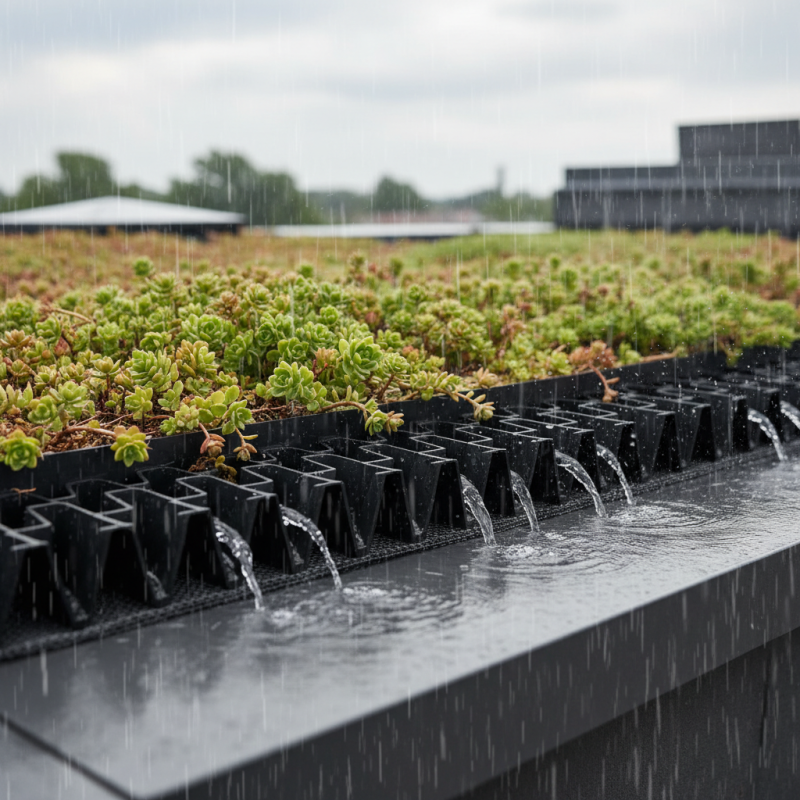
Understanding Roofing Drainage Mats and Their Importance
Roofing drainage mats play a crucial role in effective water management on rooftops. They are designed to direct water away from roofs, preventing pooling and potential structural damage. Data from the National Roofing Contractors Association indicates that proper drainage can extend a roof’s lifespan by up to 30%. Efficient water management also minimizes the risk of leaks and moisture-related issues, such as mold growth.
These mats come in various materials, including geotextiles and recycled plastics. They possess the ability to filter and retain water while allowing excess moisture to drain away. Research found that roofs equipped with drainage mats can reduce water retention by 60%, significantly improving the overall efficiency of the system. However, some designs may not meet specific building codes, which can lead to compliance issues. Choosing a drainage mat requires careful consideration of both material and local regulations.
Moreover, the installation process can vary significantly. Incorrect installation may negate the benefits of the mats, leading to costly repairs. Continuous education and training for contractors on proper installation techniques have become essential. While effective, roofing drainage mats are not a one-size-fits-all solution. Each roof requires a tailored approach to ensure optimal performance and safety.
Best Roofing Drainage Mats for Efficient Water Management
| Mat Type | Material | Drainage Capacity (L/m²/hr) | Weight (kg/m²) | Dimensions (m) |
| Standard Drainage Mat | Polyethylene | 30 | 2.5 | 1.2 x 1.0 |
| Heavy-Duty Drainage Mat | PVC | 45 | 3.0 | 1.2 x 1.2 |
| Lightweight Drainage Mat | Nonwoven Fabric | 20 | 1.8 | 1.0 x 0.8 |
| Eco-Friendly Mat | Recycled Polypropylene | 35 | 2.2 | 1.0 x 1.0 |
| Perforated Drainage Mat | Geotextile | 50 | 2.7 | 1.2 x 0.9 |
Types of Roofing Drainage Mats for Various Applications
Roofing drainage mats play a crucial role in efficient water management. They come in various types, each serving distinct applications. Understanding these types can enhance your roofing system's performance.
One popular type is the rigid drainage mat. It features a structured design, promoting water flow off the roof. They are often used in commercial applications where heavy rainfall is common. Their rigidity prevents soil compaction, ensuring durability over time. Another type is the flexible drainage mat. This material adapts easily to different roofing layers, perfect for residential roofs with irregular shapes. These mats facilitate quick water dispersal, reducing the risk of pooling.
Moreover, there are advanced drainage mats made from recycled materials. These mats are not only eco-friendly but also lightweight. They provide excellent drainage and insulation. However, it's essential to evaluate their long-term effectiveness. Some users report performance issues during extreme weather. Regular maintenance and inspections become crucial in ensuring their reliability. Choosing the right mat requires careful consideration of your specific roofing conditions and potential weather challenges. Each type offers unique benefits but may also present challenges that need addressing.
Roofing Drainage Mats Performance Comparison
Key Features to Look for in Quality Drainage Mats
When choosing roofing drainage mats, several key features can enhance water management. First, look for materials with high durability. Quality mats are often made from heavy-duty polypropylene or similar materials. These resist wear and can withstand harsh weather conditions. A well-constructed mat will last longer and perform better.
Another important aspect is permeability. The best mats facilitate effective water flow while filtering contaminants. This property ensures water drains quickly without causing damage to the roof structure. The design should allow for good airflow, preventing mold and maintaining a clean environment.
Tips: Always check the product specifications. Look for mats with a higher drainage capacity. This can prevent pooling and water damage. Also, consider the mat’s weight. Lighter mats may be easier to handle, but heavy-duty options often provide better stability.
Finally, proper installation is crucial. Many mats require specific placement methods for optimal performance. Pay attention to the manufacturer’s guidelines to avoid common errors. This will improve efficiency and ensure long-term effectiveness in managing water effectively.
Installation Techniques for Optimal Water Management
Proper installation of roofing drainage mats is vital for effective water management. A study by the American Society of Civil Engineers noted that improper drainage can lead to structural damage and costly repairs. The right techniques ensure consistent water flow and prevent pooling. When laying out a drainage mat, it's essential to create a gradient. This allows water to move towards drainage points seamlessly.
Additionally, ensure that drainage mats are placed over a firm substrate. A loose or uneven surface can hinder performance. The installation should also incorporate filters to prevent debris accumulation. According to the National Roofing Contractors Association, regular maintenance of drainage mats can improve their lifespan by 40%. Even with perfect installation, human error can still occur. Regular inspections are crucial to catch any potential issues early. Balancing efficiency and practicality can be challenging, making attention to detail necessary.
Maintenance Tips for Prolonging the Life of Drainage Mats
Proper maintenance of roofing drainage mats is crucial for their longevity. Regular inspections should be part of a routine. Look for signs of wear or damage after heavy rains. More frequent checks in storm-prone seasons help catch issues early.
Cleaning is essential. Debris like leaves and dirt can block drainage paths. Use a broom or a blower to clear off surfaces. Avoid harsh chemicals that might damage the mat material. Ensure that the drains are flowing freely.
Consider seasonal care as well. In winter, check for ice buildup. Ice can create blockages and add unwanted weight. Addressing these concerns promptly helps in preventing larger problems. Reflecting on your maintenance habits is important. Regular care can lead to more efficient water management.