How to Choose the Right Sign Manufacturing Technology for Your Business
Choosing the right sign manufacturing technology is crucial for any business. This decision can impact visibility and customer engagement. With numerous options available, it can be overwhelming. Businesses must evaluate their specific needs and goals thoroughly.
Different technologies can produce varying outcomes. Digital printing offers high-quality visuals, while traditional methods may provide durability and cost-effectiveness. Understanding the trade-offs is essential. Each technology comes with its own strengths and weaknesses. A misstep here can lead to wasted resources and missed opportunities.
It's important to involve stakeholders in this decision-making process. Seek input from marketing, design, and production teams. Their insights can clarify what works best for your brand. Ultimately, being informed and deliberate will lead to more effective sign manufacturing technology choices.
Understanding Your Business Signage Needs and Goals
Choosing the right sign manufacturing technology starts with a clear understanding of your business's needs. Evaluate your specific goals for signage. Are you aiming to attract foot traffic or enhance brand recognition? Different technologies serve different purposes. For example, digital displays offer dynamic content, whereas traditional signs provide a timeless appearance.
Consider your target audience as well. Who do you want to reach? Your signage should resonate with them. Reflect on the locations where your signs will be placed. High-traffic areas require bold, eye-catching designs. Additionally, think about how long you want the signage to last. Some materials and technologies are more durable than others.
Think about your budget. Quality is important, but cost-effective solutions are essential for many businesses. It’s important to explore options that align with your financial capacity. Investing in the wrong technology can lead to wasted resources. Be open to reconsidering choices based on feedback and performance. The path to effective signage involves trial, error, and continuous learning.
How to Choose the Right Sign Manufacturing Technology for Your Business - Understanding Your Business Signage Needs and Goals
| Sign Type |
Manufacturing Technology |
Durability |
Cost Range (USD) |
Best Use Cases |
| Vinyl Banners |
Digital Printing |
1-3 years |
$50 - $300 |
Promotional events, Temporary signage |
| Channel Letters |
3D Fabrication |
5-10 years |
$2,000 - $5,000 |
Storefront, Branding |
| A-Frame Signs |
Injection Molding |
1-2 years |
$100 - $600 |
Directional signage, Informational displays |
| LED Signs |
LED Technology |
10+ years |
$1,000 - $10,000 |
Dynamic advertising, High visibility |
Exploring Different Types of Sign Manufacturing Technologies
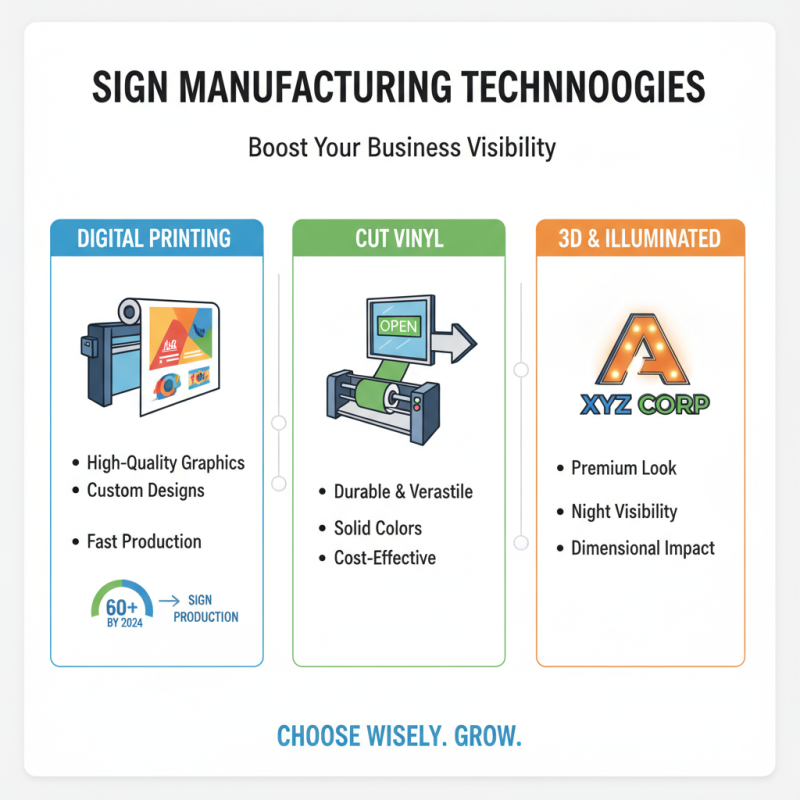
Choosing the right sign manufacturing technology can significantly impact your business’s visibility and growth. Various technologies are available, each with unique benefits and applications. Digital printing has surged in popularity, as a report by Smithers Pira indicates it could represent over 60% of sign production by 2024. This method offers high-quality images and can accommodate customized designs efficiently.
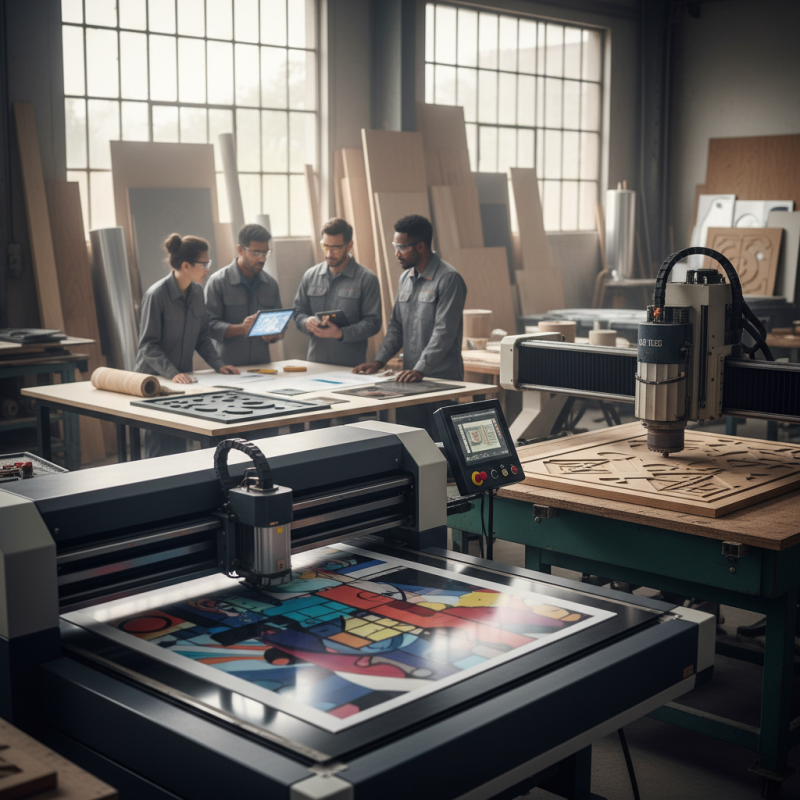
Another growing technology is CNC routing. This method allows for precise cutting of materials, which is ideal for creating intricate designs. According to a recent industry analysis, CNC routers are expected to improve production speed by 30%. However, the initial investment for these machines can be high, leading to potential reevaluation of budget plans.
Tips: Consider your target audience's preferences when choosing a technology. Evaluate how each method aligns with your branding. Additionally, think about your production capacity and potential growth. The technology you choose should not just meet your current needs, but also accommodate future expansions. Embrace the trial-and-error process when exploring new technologies; what works now may need adjustments down the line.
Evaluating Cost vs. Benefit for Each Sign Technology
Choosing the right sign manufacturing technology is crucial for any business. Evaluating cost versus benefit helps ensure a positive return on investment. Recent industry reports indicate that digital signage can increase brand awareness by up to 47%. This technology is often perceived as more expensive initially. However, the long-term benefits can outweigh the costs.
Consider traditional methods, like vinyl banners. They have lower upfront costs but may require regular replacements. According to a study by Sign Research Foundation, outdoor signs can generate 50% of customers. Yet, outdated materials can limit a company’s visibility and relevance. Choosing a sign technology shouldn't be purely price-driven.
It's essential to weigh the potential benefits against ongoing maintenance and replacement costs. LED signs alone can have a lifespan of over 100,000 hours. This could reduce replacement frequency significantly. Selecting the right technology also involves examining durability and visibility. A lower-cost option may lead to higher costs down the line. Investing in superior technology often yields better results. Balancing cost with quality and longevity is key for success.
Choosing the Right Sign Manufacturing Technology: Cost vs. Benefit
Assessing Durability and Longevity of Sign Materials
When choosing the right sign manufacturing technology, assessing the durability and longevity of sign materials is crucial. Many businesses overlook this aspect, leading to increased long-term costs. According to a recent industry report, signs made with UV-resistant coatings can last up to five years longer than those without. This is essential for businesses in harsh climates, where signs deteriorate faster.
Different materials also play a vital role in longevity. For instance, aluminum signs offer superior corrosion resistance, lasting a decade or more in outdoor conditions. Studies indicate that acrylic and polycarbonate, while visually appealing, may not withstand extreme temperatures or impact. Choosing the right substrate can mean the difference between a sign that fades in two years and one that remains vibrant for years.
Reflecting on past choices can be enlightening. Some businesses opt for cheaper materials to save costs initially but face higher replacement rates later. A small investment in durable materials can yield significant savings and maintain brand visibility. Understanding these nuances helps craft better decisions for lasting signage solutions.
Choosing the Right Technology for Your Target Audience
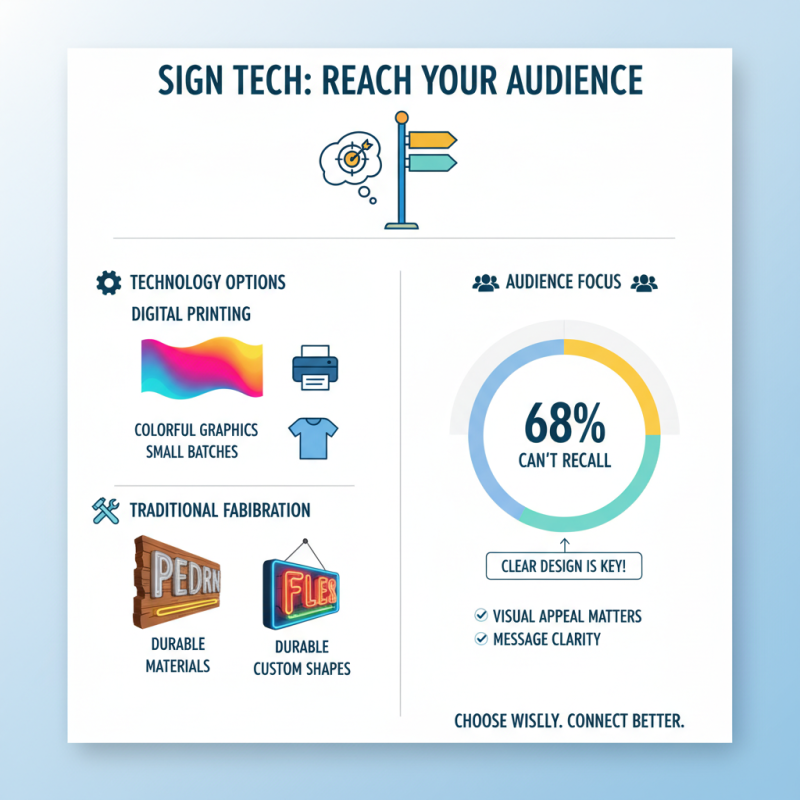
Selecting the right sign manufacturing technology is crucial to connect effectively with your target audience. Different technologies cater to varying needs. For example, digital printing allows for vibrant graphics and short-run projects. According to the Sign Research Foundation, 68% of people cannot recall the specific content of signs, suggesting that a clear and attractive design may hold their attention.
When your audience is younger, incorporating LED signage may be beneficial. A report from Nielsen indicates that digital displays are more effective for audiences aged 18-34. They appreciate dynamic content that can adapt to trends. But this technology requires regular updates to keep it relevant. It also poses questions about maintenance and energy costs that require careful consideration.
Flexibility is important, but not all businesses need high-tech solutions. Traditional methods like vinyl cutting can be just as effective for smaller local audiences. These methods often allow for a personalized touch. Familiarity can build trust. Not all audiences will respond well to flashy technology; some prefer simplicity. Understanding your audience's preferences is key to making the best choice.