Why Choose the Best Well Drilling Equipment?

Why choose the best Well Drilling Equipment when every project faces different ground conditions, budgets, and water demands? The answer begins beneath the surface. Soil density, fractured rock, groundwater depth, and borehole diameter all influence equipment selection. A rig that performs well in soft clay may struggle against granite. That difference matters.

Reliable equipment improves drilling control, safety, and long-term well quality. It can maintain steady torque, manage drilling fluid, and reduce unnecessary vibration. Strong pumps help remove cuttings efficiently. Accurate depth monitoring also supports better casing placement and development. These details are practical, not decorative. They affect downtime, fuel use, maintenance costs, and the final water yield.

Groundwater scientist Dr. John A. Cherry has emphasized, “Groundwater is everyone’s business.” His observation gives this decision wider meaning. A poorly selected rig may create an unstable borehole, wasted materials, or an unreliable water source. The best choice should therefore match local geology, operator experience, service support, and environmental responsibilities. Price alone is a weak guide.

Still, no machine guarantees success. Field conditions can change unexpectedly. Even experienced crews make imperfect decisions. That is worth admitting. A careful assessment should come before purchase, rental, or deployment. This guide examines how drilling capacity, component durability, transport needs, and after-sales support shape a dependable Well Drilling Equipment choice. The goal is simple: fewer surprises underground, clearer decisions above ground, and a well built for years of service.
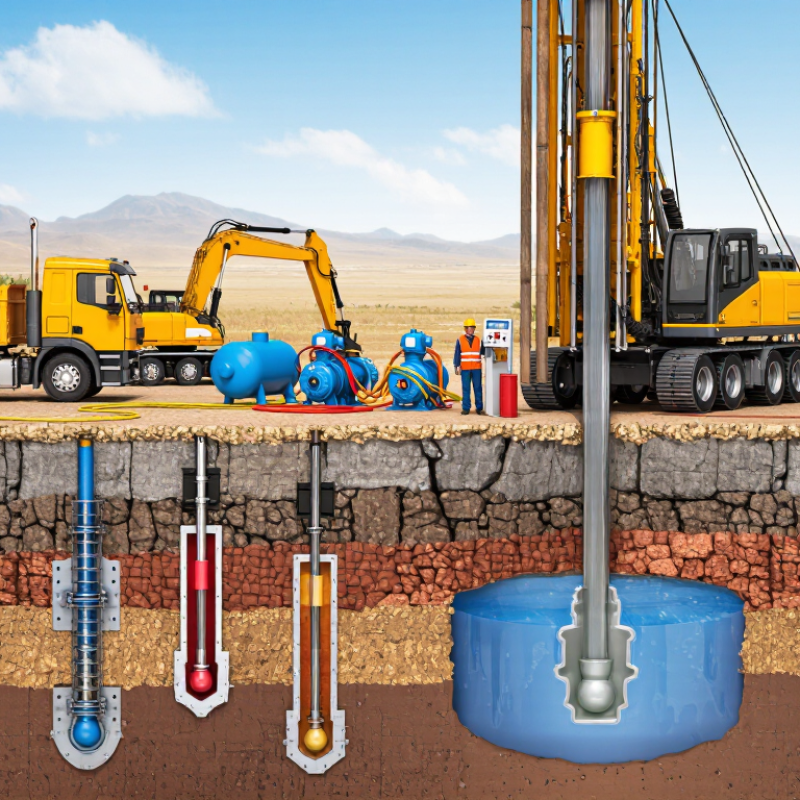
Why Choose the Best Well Drilling Equipment?

Understanding Well Drilling Equipment and Its Purpose

Why Choose the Best Well Drilling Equipment?

Well drilling equipment is designed to reach underground water safely and efficiently. Its purpose extends beyond making a hole. A drilling rig applies controlled force, torque, and rotation through soil and rock layers. The drill string transfers this energy to the bit. Air, water, or drilling fluid carries cuttings back to the surface. It is practical engineering.

A complete system may include a mast, rotary head, pump, compressor, casing tools, and lifting equipment.

Each part supports borehole stability and accurate drilling. Casing prevents loose soil from collapsing into the opening. It also helps isolate different underground layers.

Poor equipment can produce crooked holes, excessive vibration, or contaminated samples. That mistake is costly. Water quality may suffer when construction is rushed.

Choosing equipment requires more than checking maximum depth.

A hydrogeological survey should guide the decision. Ground hardness, expected water levels, borehole diameter, site access, and available power all matter. In muddy clay, fluid circulation may need careful control. In fractured rock, air drilling can remove cuttings faster, but dust management becomes important.

Experienced operators monitor pressure, penetration speed, cuttings, and unusual sounds. These details reveal changing ground conditions.

Records should include depth, casing placement, water strikes, and maintenance work.

I would not pretend every drilling plan is perfect. Uncertain geology can defeat a confident estimate. Regular testing and honest field notes often prevent larger problems.

Key Features of High-Quality Well Drilling Equipment

Why Choose the Best Well Drilling Equipment?

Key Features of High-Quality Well Drilling Equipment

Well drilling equipment must do more than reach a target depth. It must work safely through changing soil, gravel, clay, and fractured rock. High-quality rigs use strong frames, stable masts, and accurately rated components. These features reduce vibration and protect the borehole during drilling.

In field inspections, I look closely at torque control and feed pressure. Smooth adjustment helps operators avoid sudden tool binding. Efficient hydraulic systems also reduce wasted power and excessive heat. A reliable rig should include clear gauges, emergency controls, and guarded moving parts. Operators need to understand every reading, not simply trust automatic settings.

Durability matters over many drilling cycles. Corrosion-resistant materials, sealed hydraulic lines, and accessible service points make maintenance more practical. Good equipment also supports different drill rods and cutting tools. Compatibility should be verified before purchase. I have seen capable rigs perform poorly because the selected bit did not match the formation. That mistake is easy to overlook.

Noise control and fuel efficiency deserve attention too. They affect working conditions and operating costs. Detailed maintenance records provide useful evidence of reliability. Independent inspection reports can strengthen that evidence. However, no machine is perfect. Even advanced equipment requires trained operators, routine checks, and honest performance reviews after each project.

How Equipment Quality Affects Drilling Efficiency and Safety

Why Choose the Best Well Drilling Equipment?

How Equipment Quality Affects Drilling Efficiency and Safety

Quality drilling equipment directly influences penetration speed, hole accuracy, and worker safety. A stable mast keeps the drill string aligned during operation. Reliable torque control also reduces sudden rod movement and mechanical stress. These details matter most when ground conditions change unexpectedly.

From field experience, worn feed systems often create more trouble than weak engines. The drill may advance, but uneven pressure can damage rods and produce crooked boreholes. Efficient pumps maintain steady fluid circulation, helping remove cuttings and cool the bit. Clear pressure gauges allow operators to detect blockages before failures occur. Small warning signs matter.

Safety depends on more than machine strength. Emergency stops, guarded moving parts, secure hose connections, and effective dust control protect the crew around the rig. Regular inspections remain essential, even with new equipment. A new machine can still be poorly adjusted. Operators should check torque settings, hydraulic leaks, cable wear, and sensor accuracy before each shift. Maintenance records also support better decisions and traceable accountability. However, equipment selection is not always perfect. The most powerful rig may waste fuel or damage fragile formations. Matching capacity to local geology, bore depth, and crew skill often delivers safer, more consistent results.

Why Choose the Best Well Drilling Equipment?

Equipment quality affects penetration efficiency, unplanned downtime, and drilling safety.

Higher-quality equipment typically maintains a faster penetration rate while reducing unplanned downtime and recordable safety incidents. The figures use practical drilling-performance benchmarks and should be validated against site-specific operating records.

Choosing Equipment for Different Ground Conditions and Projects

Why Choose the Best Well Drilling Equipment?

Choosing equipment for different ground conditions and projects requires more than comparing machine size. The ground decides how efficiently a rig can work. Loose sand may collapse quickly, so casing systems and careful drilling fluid control become essential. Dense clay can grip the bit and slow removal. A rotary rig with suitable torque often handles it better. Gravel creates another problem. Large stones can deflect smaller bits and damage poorly selected tools.

Hard rock requires stronger penetration methods. Air-powered hammer drilling can break fractured formations efficiently, while water circulation helps control dust and carry cuttings upward. In unstable rock, temporary casing may protect the borehole during drilling. For shallow agricultural wells, a compact rig can reduce transport time and surface disturbance. Deep municipal projects need greater mast height, pump capacity, and rod length. The equipment must match the planned diameter and depth.

Field experience still matters. I have seen crews choose powerful rigs that were unsuitable for narrow access roads. The machine performed well, but setup delays erased the expected benefit. No selection is perfect. Soil logs can be incomplete, and underground conditions may change within a few metres. Reliable planning includes spare bits, monitoring tools, and a clear response for stuck rods or lost circulation. Operators should review torque, pressure, penetration speed, and cuttings throughout the work. Small changes often reveal bigger geological problems. Safety controls and local technical requirements must guide every decision.

Why Choose the Best Well Drilling Equipment? Choosing Equipment for Different Ground Conditions and Projects
Ground Condition Recommended Drilling Method Suitable Equipment Configuration Typical Drill Tools Flushing or Circulation Medium Suitable Project Applications Key Selection Considerations
Soft Clay and Silt Rotary drilling with controlled penetration and low to moderate torque Hydraulic rotary rig with adjustable rotation speed, stable mast, and low-pressure feed control Drag bit, fishtail bit, or clay auger Air, water, or low-solids drilling fluid, depending on hole stability Shallow water wells, geotechnical sampling, environmental monitoring wells Use low rotation and controlled pullback to reduce smearing and borehole enlargement. Temporary casing may be needed in loose layers.
Sand and Loose Alluvial Deposits Rotary mud drilling or casing-advance drilling Rig with continuous circulation, reliable mud pump, torque control, and casing-handling capability Tricone bit, roller-cone bit, or sand bit Drilling fluid with suitable viscosity and filtration properties; water may be used in stable formations Water-supply wells, irrigation wells, construction dewatering, monitoring wells Maintaining borehole pressure and removing cuttings are critical. Use temporary casing or casing advancement where the formation is unstable.
Weathered Rock Rotary drilling with air or foam, or down-the-hole drilling where competent rock begins Hydraulic rotary or hybrid rig with variable torque, adequate feed force, and compressor compatibility Tricone bit, drag bit, or down-the-hole hammer with button bit Compressed air, mist, foam, or water injection Domestic wells, site investigation, foundation drilling, geothermal test holes Select equipment that can transition between soil and rock without lengthy tool changes. Monitor vibration and borehole deviation.
Hard and Competent Rock Down-the-hole hammer drilling or rotary-percussive drilling High-pressure air compressor, heavy-duty mast, high feed force, and a rotary head designed for rock drilling DTH hammer with carbide button bit or rotary-percussive bit Compressed air; water or foam may be added for dust suppression and cuttings transport Deep water wells, mining exploration, quarry investigation, geothermal drilling Compressor pressure and air volume must match the hammer. Adequate rod handling and dust-control systems improve safety and productivity.
Fractured or Highly Jointed Rock Air drilling with foam, mist, or managed-fluid circulation; casing through unstable zones Rig with strong torque capacity, casing capability, loss-circulation controls, and accurate depth monitoring DTH hammer, retrievable core barrel, or roller-cone bit Air, foam, polymer fluid, or cement-based sealing materials when circulation is lost Water-well construction, geological investigation, slope and tunnel projects Loss of circulation and borehole collapse are common risks. Plan for casing, sealing, and multiple drilling-fluid options.
Cobbles, Gravel, and Boulders Rotary drilling with casing advancement or dual-tube drilling High-torque rig with strong pullback, casing oscillator or casing driver, and robust rod-handling system Roller-cone bit, pilot bit with casing shoe, or down-the-hole hammer Water, air, foam, or polymer-enhanced fluid Alluvial aquifers, bridge-site investigation, dewatering, large-diameter wells Choose equipment with sufficient torque and pullback to prevent tool jamming. Casing advancement helps maintain an open borehole.
Mixed Overburden and Rock Layers Combination drilling using rotary, casing advancement, and down-the-hole techniques Versatile rotary-percussive rig with quick-change tooling, variable rotation, and integrated compressor connection Auger, tricone bit, DTH hammer, and casing shoe Air, water, foam, or drilling fluid selected for each layer Municipal wells, construction sites, geotechnical investigations, geothermal projects Versatility is more important than maximum power alone. Confirm that the rig can handle changes in torque, feed force, and circulation requirements.
Contaminated or Environmentally Sensitive Sites Low-impact rotary or sonic drilling with controlled cuttings management Compact rig with enclosed fluid system, low-noise operation, containment equipment, and precise sampling controls Hollow-stem auger, dual-tube system, or sonic core barrel Air or clean water; drilling fluids should be selected to avoid sample contamination Environmental monitoring wells, remediation projects, urban investigation Prioritize sample integrity, minimal cross-contamination, noise control, and proper handling of drill cuttings and fluids.
Deep or Large-Diameter Water Wells Rotary mud drilling, air rotary, or reverse-circulation drilling according to depth and formation High-capacity rig with extended mast, large mud pump or compressor, powered rod handling, and strong hoisting system Large-diameter tricone bit, roller-cone bit, DTH hammer, or reverse-circulation bit Drilling mud, air, foam, or water-based circulation system Municipal supply, industrial water, agricultural irrigation, emergency water systems Evaluate maximum depth, borehole diameter, pump capacity, lifting capacity, casing size, and site access before selecting the rig.

Evaluating Costs, Maintenance, and Long-Term Performance

Why Choose the Best Well Drilling Equipment?

Evaluating Costs, Maintenance, and Long-Term Performance

The lowest purchase price rarely reflects the real cost of drilling. The U.S. Department of Energy’s GeoVision analysis estimates that drilling and well construction can represent roughly 30–50% of a geothermal project’s total cost. Equipment that controls torque, mud flow, and borehole stability may reduce rework, fuel use, and abandoned sections. Small savings matter.

Maintenance still matters. A rig with accessible filters, standardized wear parts, and clear service intervals usually spends less time idle. The U.S. Environmental Protection Agency reports that household leaks waste nearly 1 trillion gallons of water annually in the United States. Poor well construction can create similar losses through casing damage, inefficient pumping, or persistent leakage. That risk is often underestimated.

Long-term performance requires evidence, not impressive specifications. Review service records, expected component life, vibration limits, and performance under local soil conditions. The International Organization for Standardization’s ISO 14224 framework shows how failure and maintenance data support more reliable equipment decisions across energy industries. Yet field conditions remain unpredictable. My own preference would be challenged by unusually hard formations or weak local support. A cheaper machine may perform well for one season, then become an expensive obstacle. Choose equipment that technicians can inspect, repair, and document over many operating years.

Product Added

Go to Quote Request Form

Continue Product Search