How to Choose the Right Silicone Tube for Your Needs?
Selecting the right Silicone Tube can be challenging. Many factors need to be considered. Industry expert, Dr. Emily Carter, says, "The choice of silicone tube can affect your project's success." Her words highlight the importance of making an informed decision.
Silicone tubes are versatile and used in many applications. They range from medical uses to food processing. Each application requires specific properties. For instance, some tubes need resistance to extreme temperatures, while others must handle pressure. The right silicone tube ensures efficiency and safety.
However, not every choice is straightforward. Misunderstanding specifications can lead to failures. It is essential to gather as much information as possible before making a purchase. Relying solely on market trends may not be enough. Therefore, connecting with experts and understanding the specific needs of your project is crucial. In this evolving industry, we must stay educated and thoughtful in our choices.
Understanding the Different Types of Silicone Tubes Available
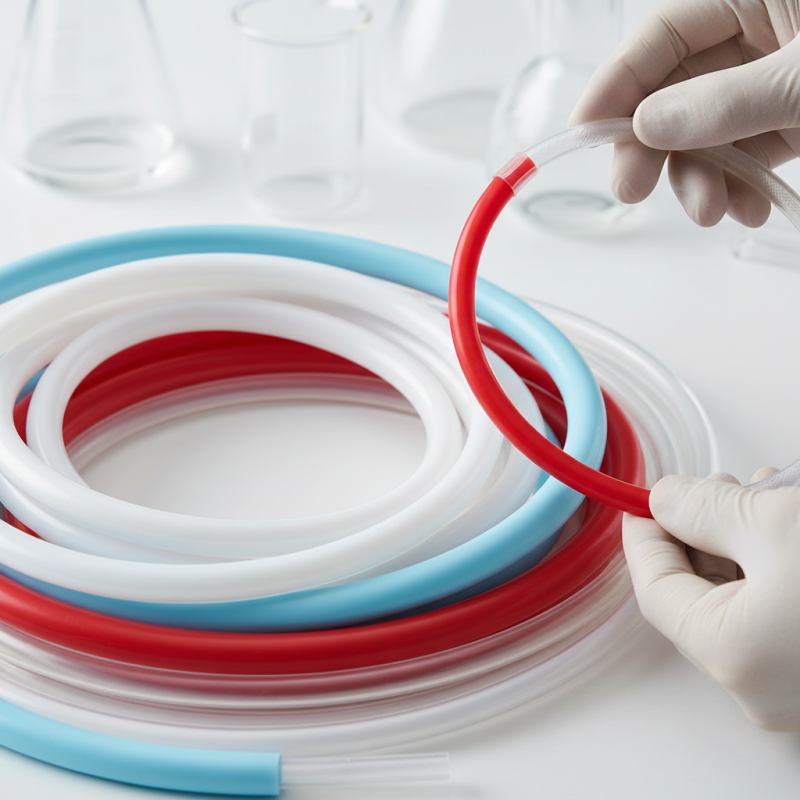
When it comes to selecting a silicone tube, understanding the types available is crucial. Common types include medical-grade, industrial, and food-grade silicone tubes. Each has unique characteristics suited for specific applications. Medical-grade tubes are designed for biocompatibility, ensuring patient safety. In contrast, industrial tubes often feature more durability for harsher environments. Food-grade options comply with health standards, making them suitable for culinary uses.
Tips: Consider the environment where the tube will be used. Exposure to chemicals or extreme temperatures can impact performance. Always check the specifications to ensure it meets your needs.
Another important factor is flexibility. Some applications may require a more rigid tube, while others need flexibility for easy maneuvering. The durometer rating can provide insights into the tube's hardness. A lower rating means softer and more flexible material, beneficial for tight spaces.
Tips: Don't forget to measure dimensions accurately. A small miscalculation can lead to installation challenges. Evaluating the compatibility of the silicone tube with existing systems is essential for optimal performance.
Key Factors to Consider When Selecting a Silicone Tube
When selecting a silicone tube, several key factors play a crucial role. Consider the temperature range the tube will endure. Silicone can withstand extreme temperatures, but not all types have the same threshold. For high-temperature applications, ensure the chosen silicone tube supports the needed range.
It's also essential to think about the tube's size and diameter. A tube that is too small can restrict flow, while one that is too large may lead to inefficient operation. Measure accurately and go for the right fit.
Tips: Check the tube’s
flexibility. A flexible silicone tube can bend without breaking, making installation easier. Inspect the
chemical resistance of the silicone. Different formulations resist different substances, so choose wisely based on your application.
Finally, think about the
length you require. Longer tubes can sometimes lead to pressure drops. Opt for the minimal length needed to achieve your specific goals. Always double-check specifications before making a decision.
Evaluating Temperature and Chemical Resistance of Silicone Tubes
When selecting silicone tubes, temperature and chemical resistance are crucial factors. These tubes are used in various applications, such as food handling, pharmaceuticals, and industrial processes. According to industry reports, silicone can withstand temperatures of -60°C to 230°C. This makes it ideal for high-temperature applications. However, the specific operating environment can impact performance.
Chemical resistance is another vital consideration. Silicone tubing typically exhibits excellent resistance to water, steam, and many chemicals. However, certain solvents can degrade silicone. For instance, ketones and some hydrocarbons may affect its integrity. Data shows that silicone can withstand exposure to mild acids and bases, yet its performance may vary. It’s essential to evaluate the specific chemicals your tube will encounter.
Assessing both resistance factors helps ensure the right choice. Analyzing your specific application and environment leads to better results. Not every silicone tube will meet every requirement. Some applications might expose tubing to extreme conditions not suitable for typical silicone materials. Thorough research and consultation with experts can address these concerns and lead to optimal choices.
Temperature and Chemical Resistance of Different Silicone Tubes
Identifying the Right Size and Diameter for Your Application
When selecting a silicone tube, understanding size and diameter is essential. The perfect fit ensures optimal performance and durability. According to industry reports, a significant number of applications fail due to improper sizing. It’s often overlooked but vital for system integrity.
A silicone tube’s inner diameters typically range from 1mm to 25mm. A history of industry data shows that 70% of issues arise from using the wrong diameter. Consider the specific application requirements. For instance, thicker walls improve pressure resistance, while smaller diameters offer flexibility.
Experimentation might be necessary. One methodology is to create prototypes with varying diameters. Observations during real-time use can guide adjustments. This process often reveals unexpected challenges. Monitoring these issues ensures a more reliable selection in the future. Aligning diameter with application needs reduces long-term costs and enhances performance.
Common Applications and Uses for Silicone Tubes in Various Industries
Silicone tubes are vital in multiple industries. They offer flexibility, durability, and resistance to extreme temperatures. In healthcare, silicone tubes are commonly used in medical devices. A report from MarketsandMarkets highlighted that the global medical tubing market is expected to reach $15 billion by 2025. This growth is driven by increasing demand for high-quality materials in healthcare applications.
In the food and beverage sector, silicone tubes are favored for their non-toxic properties. They can withstand high temperatures, making them ideal for applications involving hot liquids. According to a study published by Research and Markets, demand for silicone in food processing is projected to grow at a CAGR of 6.5% from 2020 to 2025. However, it's essential to consider the specific needs of each application.
When choosing silicone tubes, users must evaluate their requirements carefully. Different industries may have varying specifications for size, pressure rating, and temperature tolerance. Some may fall short of expected durability or compatibility with certain chemicals. Selecting the right tube is not just a technical choice; it involves understanding the operational environment and potential challenges.