Top Pneumatic Actuator Applications and Benefits for Buyers?
Pneumatic Actuators play a critical role in various industrial applications. Their use spans across sectors, including manufacturing, automotive, and food processing. These devices convert compressed air into mechanical motion, offering a powerful solution for automation.
The benefits of pneumatic actuators are numerous. They are known for their speed and efficiency, enabling quick movement when needed. Manufacturers appreciate their robust design, which often results in reduced maintenance costs. However, not all pneumatic actuators are created equal. Selecting the right type involves understanding specific application needs and environmental factors.
Buyers should consider various performance metrics while evaluating pneumatic actuators. Factors such as load capacity, response time, and compatibility with existing systems can significantly influence operational effectiveness. While many options exist, the pursuit of an ideal actuator requires careful thought. Understanding these nuances helps ensure the right investment and maximizes overall productivity.
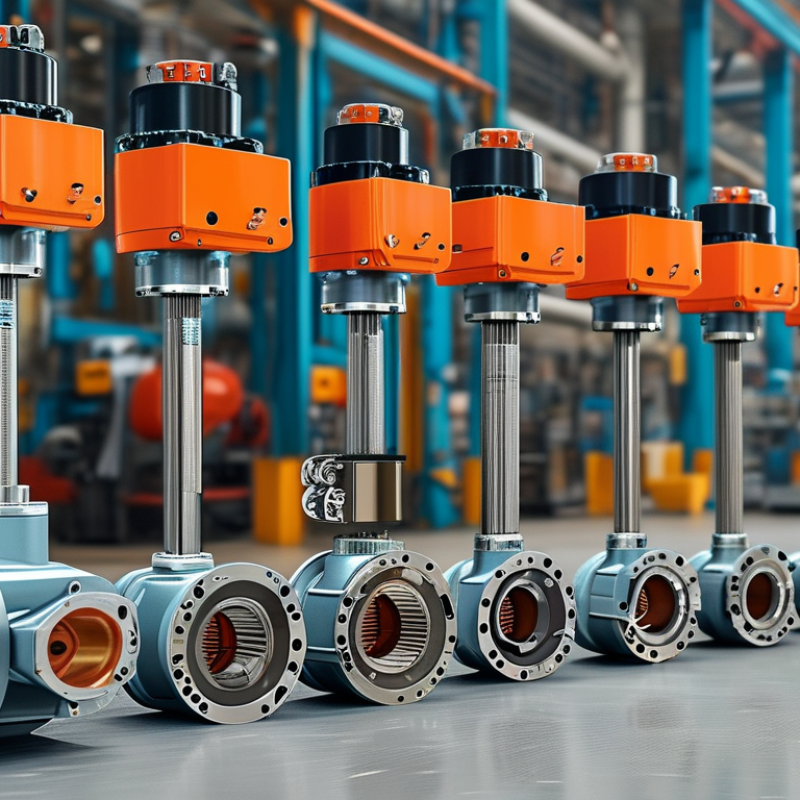
Top Pneumatic Actuator Applications in Various Industries
Pneumatic actuators are crucial in various industries, enabling efficient control of machinery and processes. In manufacturing, they are widely used to automate assembly lines. Their quick response times enhance productivity. For instance, in packaging, actuators ensure precise movements, minimizing material waste and improving product consistency.
In the oil and gas sector, pneumatic actuators control valves. They help regulate the flow of oil safely. However, maintenance can be a challenge. Regular checks are necessary to avoid failures that could lead to costly downtimes. Perhaps the most critical application lies in the pharmaceutical industry, where these actuators contribute to maintaining sterile environments. They control machinery that handles sensitive materials, ensuring compliance with stringent health regulations.
Moreover, pneumatic actuators can be found in the automotive sector. They play a role in painting lines and robotic arms. The need for accurate movements is essential here. Yet, the reliance on compressed air raises energy efficiency concerns. As industries evolve, reevaluation of actuator choices is necessary to optimize performance and sustainability. The journey towards better solutions is ongoing.
Key Benefits of Using Pneumatic Actuators for Buyers
Pneumatic actuators have gained recognition for their effectiveness in industrial applications. These devices utilize compressed air to create mechanical motion, which streamlines various processes. According to a recent industry report by MarketsandMarkets, the pneumatic actuator market is projected to reach $18.6 billion by 2025, demonstrating increasing adoption across sectors.
One of the key benefits of pneumatic actuators is their speed. They can achieve full stroke within fractions of a second, which enhances efficiency in production lines. In manufacturing, time savings translate directly into cost reductions. Furthermore, their simplicity and reliability make them an attractive option. Studies show that pneumatic systems have a failure rate of less than 1%, ensuring smooth operation. However, they may not always provide precision control, which can be a drawback in applications requiring fine adjustments.
Energy efficiency represents another important consideration. Pneumatic actuators consume less energy compared to their electric counterparts in many cases, yielding lower operational costs. On the other hand, managing air supply and leakage can pose challenges. Companies must weigh these factors while evaluating their systems. While pneumatic actuators excel in many areas, there are alternatives worth considering for specific applications. Buyers must assess their unique needs carefully.
Top Pneumatic Actuator Applications and Benefits for Buyers
| Application | Key Benefits | Industry | Performance Characteristics |
| Automotive Manufacturing | High speed, precision control | Automotive | Rapid actuation, high repeatability |
| Food Processing | Hygienic operation, easy cleaning | Food & Beverage | Temperature and pressure resistance |
| Pharmaceutical | Accurate dosing, reliability | Pharmaceuticals | Cleanroom compatibility, low noise |
| Chemical Processing | Robust construction, safety | Chemical | Corrosion resistance, high torque |
| Aerospace | Weight savings, efficiency | Aerospace | Space-efficient, high force output |
| Energy Sector | Stability under extreme conditions | Energy | Durable and reliable in harsh environments |
Factors to Consider When Choosing Pneumatic Actuators
When choosing pneumatic actuators, several key factors must be considered. The operating pressure range is crucial for ensuring proper functionality. Different applications require varying pressure levels. Understanding the pressure needs of your system can prevent malfunctions and enhance performance.
Another important aspect is the actuator size and stroke length. These measurements impact the actuator's ability to generate force. A properly sized actuator will operate efficiently, leading to consistent results. Operators often overlook the significance of these dimensions, resulting in compatibility issues.
It’s essential to evaluate the materials used in the actuator's construction. Durability is a primary concern, especially in harsh environments. Corrosion resistance can extend service life. Potential buyers should scrutinize material specifications to align with their operational conditions. Lastly, maintenance requirements should not be taken lightly. Regular upkeep ensures longevity but can be a hassle. Buyers need to weigh the ease of maintenance against their resources and commitment.
Comparison of Pneumatic Actuators with Other Types of Actuators
When evaluating pneumatic actuators, it’s crucial to compare them with other actuator types, such as electric and hydraulic. Pneumatic actuators use compressed air to create motion, which makes them ideal for applications that require rapid movement. Electric actuators, on the other hand, use motors and are generally more precise. They can handle more complex systems but often lack the speed of pneumatic solutions.
Hydraulic actuators offer high force output, making them suitable for heavy-duty applications. However, they come with challenges like leakages and high maintenance. Pneumatics are often cleaner and less cumbersome than hydraulics. They are easier to install and can operate in challenging environments. Yet, compressed air systems can be less efficient in energy consumption.
Buyers must weigh these factors based on their specific needs. While pneumatic actuators shine in speed and simplicity, they may fall short in precision compared to electric systems. Each type has unique advantages and limitations, making proper selection essential for optimal performance. Understanding these aspects reflects a deeper consideration for project requirements.
Future Trends in Pneumatic Actuator Technology and Applications
The future of pneumatic actuator technology is promising, driven by advancements in automation and efficiency. Industries are increasingly adopting smart actuators, which integrate sensors and data analytics. These features enhance performance monitoring and predictive maintenance. As a result, businesses can reduce downtime and optimize operations.
Sustainability is shaping future trends as well. Manufacturers are focusing on energy-efficient solutions. New actuator designs seek to minimize compressed air consumption. Some companies explore alternative energy sources to power these devices. This shift presents challenges in terms of implementation and regulatory standards.
Furthermore, the push for modular designs is noticeable. Customization allows users to tailor actuators to specific applications. However, this flexibility may lead to complexity in inventory management. Balancing standardization with customization remains a key concern for engineers. As technology evolves, continual assessment is necessary to meet changing industry needs.
Top Pneumatic Actuator Applications and Benefits