Top Tips for Choosing Braided Copper Busbar for Your Needs?
Choosing the right Braided Copper Busbar is crucial for various electrical applications. These components play a vital role in ensuring effective current distribution. A well-selected busbar can enhance the system's efficiency and reliability.
When considering the Braided Copper Busbar, factors such as material quality and design are essential. High conductivity, flexibility, and thermal performance are key attributes. However, one must also reflect on their specific needs, as unfit choices can lead to performance issues.
With so many options available, the selection process may feel overwhelming. It's easy to overlook certain details, but taking the time to evaluate each aspect can prevent future complications. Ultimately, the right choice will balance technical specifications with your project's unique demands.
Understanding Braided Copper Busbars and Their Applications
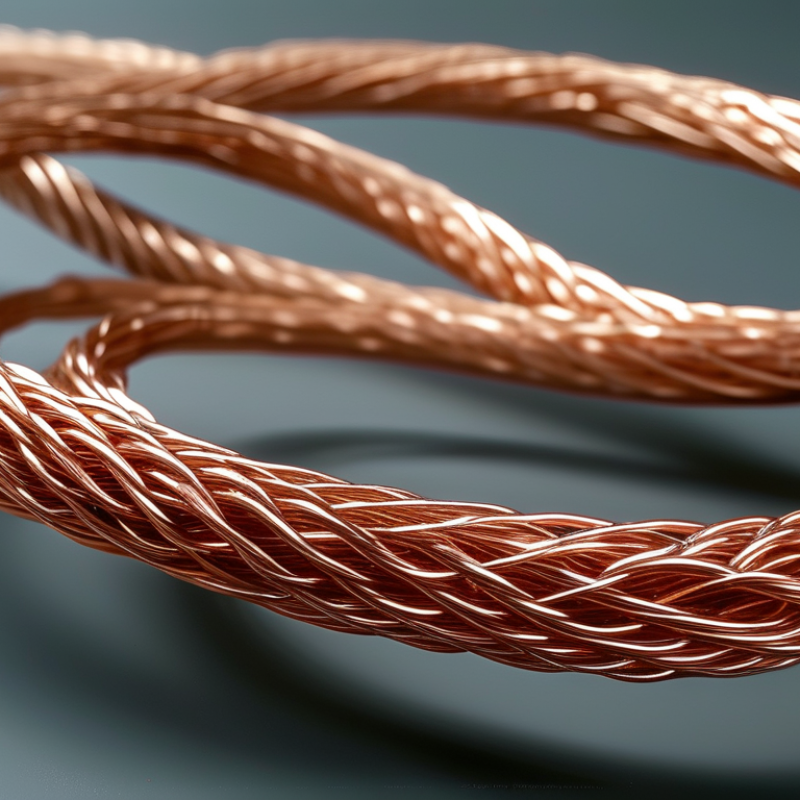
Braided copper busbars are essential components in electrical systems. They consist of multiple strands of copper wires, woven together for enhanced flexibility and conductivity. This design allows them to handle high electrical loads more efficiently than solid copper bars. Applications are diverse, ranging from power distribution in substations to connections in switchgear. Their adaptability makes them suitable for various industries, including manufacturing and renewable energy.
Choosing the right braided copper busbar requires understanding specific applications. For example, in areas with high vibration, a flexible busbar can absorb shocks better. The gauge of the copper affects the current-carrying capacity. A thicker busbar may not always be the best choice. Sometimes, an overestimate leads to increased costs without clear benefits. Observing the environment where the busbar will be installed is crucial.
When selecting, think about installation ease and potential future needs. A busbar that fits current specifications may not suffice later. Factors like thermal expansion and additional load must be considered. Experts often emphasize the importance of consulting with professionals while selecting components. Their experience helps identify common pitfalls and ensures optimal performance.
Key Factors to Consider When Selecting Braided Copper Busbars
Choosing the right braided copper busbar requires careful consideration of various factors. First, assess the electrical and thermal requirements of your application. High conductivity is crucial for efficient performance. The busbar should minimize energy loss, especially in high-current scenarios. Look for a size and shape that fits into your designated space. Customization options might be necessary for unique installations.
Material quality plays a significant role in durability and performance. Copper purity affects conductivity and longevity. Ensure that the copper used is free from impurities. This helps resist corrosion and maintain efficiency over time. Pay attention to the braiding design as well. Different braiding techniques can influence flexibility and heat dissipation. Understanding these aspects can be tricky but is important.
Installation requirements are another key consideration. Some busbars come with pre-drilled holes for easy mounting. This can save time during installation. Evaluate whether you need additional insulating materials. In many cases, the environment can affect performance. Assess temperature variations, humidity, or exposure to chemicals. These factors often require additional planning to prevent issues later on.
Top Tips for Choosing Braided Copper Busbar for Your Needs
Comparative Analysis: Braided vs. Solid Copper Busbars
When choosing between braided and solid copper busbars, understanding their distinct characteristics is crucial. Braided copper busbars offer flexibility. They can adapt to different electrical configurations. This makes them ideal for applications requiring frequent changes. In contrast, solid copper busbars are known for their durability and strength. They provide a robust solution for environments with high electrical loads.
Consider the installation environment. Braided busbars can withstand vibrations better than solid ones. However, they may have a higher resistance due to their design. Solid copper busbars, while less flexible, are often easier to install in permanent setups. They usually have lower resistive losses.
Tip: Always evaluate your specific needs. If redundancy is essential, braided options might be the way to go. For straightforward applications, solid busbars are reliable and efficient. Lastly, consult with a qualified electrician to make the best choice. Their expertise can help you avoid costly mistakes down the line.
Evaluating the Electrical and Thermal Conductivity of Busbars
When selecting braided copper busbars, understanding their electrical and thermal conductivity is crucial. Copper's excellent conductivity makes it the go-to choice for many electrical applications. According to the International Copper Association, copper's electrical conductivity stands at around 59.6 x 10^6 S/m. This high performance allows for efficient energy transfer, vital in reducing power losses.
Thermal conductivity also plays a significant role. Copper's thermal conductivity is approximately 400 W/m·K, allowing for effective heat dissipation. In high-power applications, this feature is essential. However, performance can vary based on the busbar’s design and thickness. A thicker busbar could potentially handle higher currents but may also impact flexibility. Engineers should always consider these trade-offs.
Moreover, it's important to evaluate manufacturing processes. Not all braided copper busbars are made equal. Variations in the braiding technique can influence conductivity levels. For example, tighter braids may offer better performance, but they can also increase production costs. Balancing these factors can be challenging, requiring ongoing assessment. Understanding these nuances helps in making informed decisions for specific applications.
Maintenance Tips for Longevity of Braided Copper Busbars
Braided copper busbars require regular maintenance for optimal performance. Inspect them frequently for signs of wear or damage. Look for corrosion or loose connections that can hinder conductivity. Addressing these issues promptly can prevent larger failures.
When cleaning, use a mild detergent and a soft cloth. Harsh chemicals can damage the copper's surface. Ensure the busbars are dry before reattaching them. This simple step helps to maintain their electrical efficiency and prolongs their lifespan.
Consider the environmental factors too. Humidity or temperature fluctuations can affect performance. Installing busbars in a controlled environment can reduce maintenance needs. Regular checks, cleanings, and environmental considerations enhance the longevity of your braided copper busbars.
Top Tips for Choosing Braided Copper Busbar for Your Needs?
| Feature | Description | Maintenance Tip |
| Material Quality | Ensure high purity copper for better conductivity. | Regularly check for signs of oxidation or tarnishing. |
| Size and Dimensions | Choose the right size based on your electrical load requirements. | Keep dimensions consistent during replacements to avoid electrical failures. |
| Flexibility | Braided copper offers flexibility compared to solid bars. | Avoid excessive bending which may cause wear. |
| Thermal Management | Braided bars help in dissipating heat effectively. | Inspect for overheating and ensure proper ventilation around installations. |
| Installation | Proper installation is critical for performance and safety. | Regularly check connections for tightness and corrosion. |