
What Is Double Glazing and How Does It Work?

Double Glazing is a window system made from two panes of glass separated by a sealed gap. That space is often filled with air or an insulating gas. Together, the panes and gap slow heat transfer, reduce draughts, and can soften outside noise. The effect is practical, not magical. A cold window may feel less harsh, but a poorly fitted frame can still leak air.

A simple way to picture it: two glass panes face each other, with a spacer around their edges. The sealed unit sits inside a frame, and the gap acts as a thermal buffer. “The sealed space between the panes is doing much of the quiet work,” says fenestration specialist Alex Morgan. The performance also depends on glass coatings, spacer design, frame quality, and installation. Those details matter. A fine unit fitted badly may disappoint.

This introduction sets out what Double Glazing is and how it works, before considering its benefits and limitations. It is worth remembering that “better insulation” does not mean every room will feel warm in winter. Room size, heating, ventilation, and existing walls all play a part. Even condensation needs careful interpretation: moisture on the room-facing glass can point to indoor humidity, while fog trapped between panes may indicate a failed seal. The distinction is easy to miss. And window ratings can be confusing; check what a rating measures before comparing products.
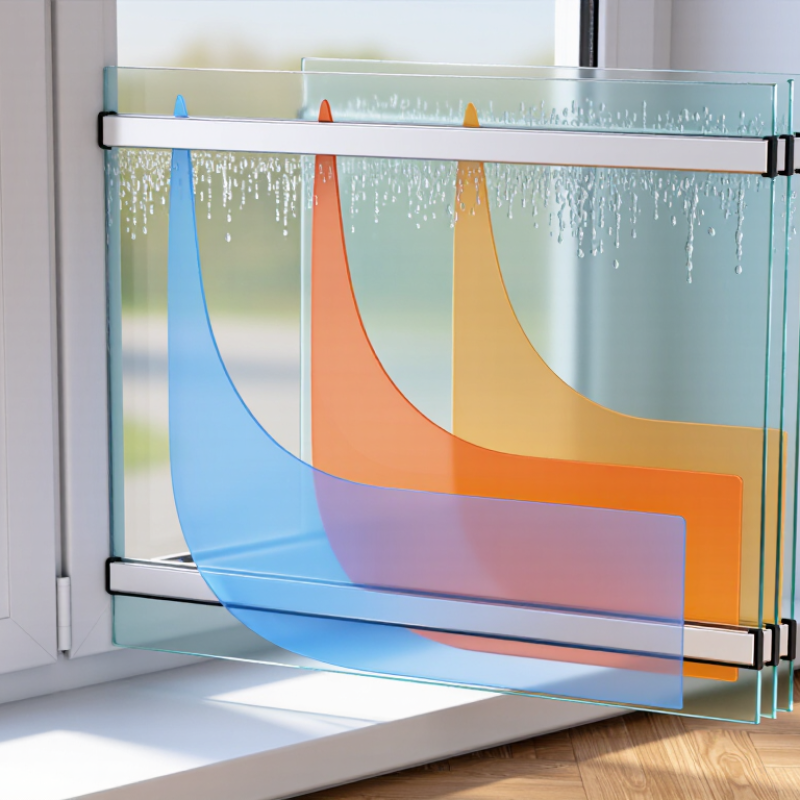
What Is Double Glazing and How Does It Work?

What Double Glazing Is

Double glazing is a window unit with two panes of glass, separated by a sealed gap. That space usually contains dry air or an inert gas. A spacer keeps the panes evenly apart. Sealants close the edges and limit moisture entry.

The inner pane stays warmer in winter because the gap slows heat movement. In summer, it can reduce some outside heat, especially with suitable glass coatings. Sound also travels less easily through two separate panes. Performance depends on pane thickness, gap width, frame material, and installation quality. A poorly sealed unit may fog between the panes. That is not normal insulation. It often indicates seal failure.

From practical inspections, the frame deserves as much attention as the glass. A high-performing pane cannot compensate for gaps around the opening. I check cold edges, condensation, closing pressure, and draughts near the seals. Energy savings are possible, but they are not automatic. Ventilation still matters, and condensation may appear on colder walls. I sometimes expect double glazing to solve every comfort problem. It does not. Correct sizing, careful fitting, and realistic expectations matter more than impressive specifications.

What Is Double Glazing and How Does It Work? - What Double Glazing Is
Dimension What It Is How It Works Practical Effect
Basic construction Two panes of glass set in one window unit, with a sealed space between them. The panes and the space between them create a more resistant path for heat transfer than a single pane alone. Can reduce heat loss and improve indoor comfort compared with single glazing.
Sealed cavity A narrow gap between the inner and outer panes, commonly filled with air or an inert gas such as argon. The relatively still gas slows heat transfer by conduction and convection. The insulating effect depends on cavity width, gas fill, seals, and the overall window design.
Low-emissivity coating A thin, transparent coating applied to a glass surface in some insulated glass units. It reflects some long-wave infrared heat back toward its source while allowing much visible light through. Can improve thermal performance; the effect varies by coating type and placement.
Spacer A strip around the edge of the unit that separates the panes and helps maintain the cavity. It helps keep the glass at a consistent distance apart and contains desiccant in many designs to absorb moisture within the cavity. Spacer material and edge construction affect heat flow at the perimeter and the unit’s durability.
Edge seals Seals around the glass unit’s perimeter that help keep the cavity closed. They limit gas leakage and help prevent moisture from entering the space between the panes. A failed seal can cause fogging or condensation inside the cavity and reduce performance.
Window frame The material and structure that hold the insulated glass unit in the window opening. Frame design affects heat flow around the glass and how effectively the window closes against air leakage. Overall performance depends on both the glazing unit and the frame, installation, and weather seals.
Sound reduction Some reduction in sound passing through the window compared with a single pane. The separated panes can disrupt sound transmission; different pane thicknesses and wider gaps may help with certain noise frequencies. Results vary with glass thickness, cavity, frame, installation, and the type of noise.
Condensation Water droplets that form when a surface is colder than the surrounding air’s dew point. The inner pane of a well-performing unit is generally warmer than single glazing, which can reduce condensation on that surface. Double glazing does not eliminate condensation in every situation; indoor humidity and ventilation also matter.
Performance measures Common ratings include whole-window U-factor or U-value and solar heat gain coefficient. U-factor describes heat transfer through the window; solar heat gain coefficient describes how much solar heat enters. Compare ratings for the complete window, not just the glass, and consider the local climate and building needs.

The Main Components of a Double-Glazed Window

A double-glazed window contains two panes of glass separated by a narrow sealed space. This structure is the heart of its insulating performance. The gap is usually filled with dry air or an inert gas, which slows heat movement between indoors and outdoors. It also reduces the transfer of sound.

The sealed edge The spacer sits around the edge of the glass panes. Modern spacers often use low-conductivity materials, although their performance depends on design and installation. A sealant bonds the unit together and helps prevent moisture from entering the cavity. If the seal fails, mist can appear between the panes. That is not normal condensation on the room side. It often indicates a damaged sealed unit.

Efficiency and frame performance Glass coatings can improve efficiency further. A low-emissivity coating reflects heat back into the room while allowing daylight to pass through. The frame is equally important. uPVC, timber, and aluminium frames each manage heat, movement, and maintenance differently. Robust gaskets around the opening limit draughts, while drainage channels guide water away from vulnerable joints.

In practical inspections, I check the seals, corners, spacers, and frame alignment rather than judging the glass alone. Small fitting errors can reduce real-world performance. No window is perfect. A highly insulated pane may still perform poorly if the installation leaves gaps around the frame. Ventilation also needs thought, because a tighter room can trap humidity without adequate airflow.

How Double Glazing Reduces Heat Transfer

Double glazing uses two panes of glass separated by a sealed gap. A practical air cushion.

When indoor air is warm, heat naturally moves toward colder glass. The sealed gap slows this movement. It reduces conduction and limits air circulation between the panes. This helps rooms stay warmer during winter and cooler during summer. However, double glazing cannot stop heat completely.

The gap may contain air or an inert gas with low thermal conductivity. Some units also use a low-emissivity coating on the inner glass surface. This thin coating reflects indoor heat back into the room. It can also reduce unwanted solar heat entering during warmer months. In practice, shading and ventilation still affect comfort. Glass alone is not the whole answer.

During a home inspection, the frame and edge seal deserve close attention. A damaged seal may allow moisture between the panes. A poorly fitted frame can create draughts around the glass. Then the expected energy savings shrink. A lower U-value usually indicates better resistance to heat transfer, while solar-control performance needs separate evaluation. Results depend on window orientation, glass specification, frame material, and local climate. I would not treat every double-glazed unit as equal. That assumption needs questioning. Independent test data and careful installation offer more reliable evidence than broad sales claims.

Common Types of Double-Glazed Units

What Is Double Glazing and How Does It Work?

Common Types of Double-Glazed Units

Double glazing uses two glass panes separated by a sealed spacer. The cavity slows heat movement and reduces outside noise. Air-filled units are basic. They are usually the most affordable option, but they offer less insulation than gas-filled designs. Argon-filled units are more common in modern homes. Argon transfers heat less efficiently than air, improving the window’s U-value. The spacer also matters. Warm-edge spacers reduce heat loss around the glass perimeter and can limit condensation.

Low-emissivity, or low-E, glass has a thin coating that reflects indoor heat back into the room. According to the U.S. Department of Energy, low-E windows can reduce window energy loss by about 30–50% compared with ordinary glass. Solar-control glass performs differently. It limits excessive summer sunlight, which may help rooms with strong south-facing exposure. Laminated acoustic glass adds a flexible interlayer. It can soften traffic noise and improves impact resistance, although it may cost more.

Triple glazing is not double glazing, but it often enters the same comparison. It adds another pane and cavity. The International Energy Agency reports that buildings account for roughly 30% of global final energy use. Better windows can support efficiency, but the figures depend on orientation, frame material, ventilation, and installation quality. A neat specification is not a guarantee. Poor sealing can undermine expensive glass.

In practice, labels can mislead when installers ignore the surrounding wall. This deserves more attention.

Factors That Affect Double-Glazing Performance

What Is Double Glazing and How Does It Work?

Double glazing uses two glass panes separated by a sealed air or gas-filled cavity. This gap slows heat transfer between the room and the outdoors. It also reduces outside noise and limits cold surface areas near the window. The gap matters. However, glass alone does not decide performance.

The cavity width affects insulation, but wider is not always better. Low-emissivity coatings can reflect indoor heat back into the room. Inert gas within the cavity may improve thermal resistance when the seal remains intact. Warm-edge spacers reduce heat loss around the glass edges. Frame material matters too. A poorly insulated frame can weaken an otherwise efficient unit.

Installation often determines the real result. Even high-performing glazing can leak air through an uneven frame or damaged seal. Small faults show. I once assumed condensation always meant defective glass, but that was too simple. Moist indoor air, weak ventilation, and cold room corners can create surface moisture. Orientation also changes results. South-facing windows may gain useful winter heat but overheat in summer. External shading, curtains, and regular seal checks can help control this effect. Performance should therefore be judged through the whole window system, not the glass specification alone.

Article Source:

Product Added

Go to Quote Request Form

Continue Product Search