Why Choose Karting Karts for Your Business?

Why Choose Karting Karts for Your Business?

A Karting Kart business can turn unused floor space into an active, measurable customer experience. It offers more than speed. Customers compare lap times, return with friends, and often share their results online. That repeat behavior can support revenue beyond one-time visits.

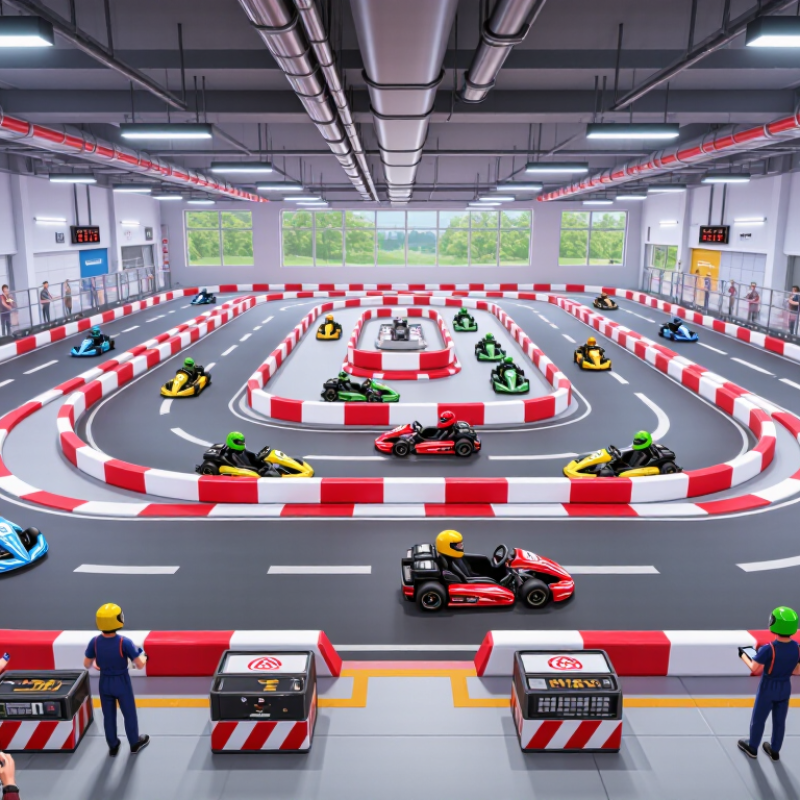
Dino Chiesa, a respected karting engineer, team owner, and former world champion, has often emphasized a simple principle: “Karting is the best school for racing.” His view also applies to business. A well-designed Karting Kart operation teaches customers quickly, rewards skill, and creates visible excitement without requiring professional racing experience. Electric karts can reduce local noise, while modern timing systems provide accurate results and useful customer data. Durable barriers, trained staff, clear briefings, and scheduled maintenance also help protect visitors and equipment.

The details matter.

A clean pit area, bright helmets, and consistent kart performance can shape customer trust within minutes. Businesses may choose indoor or outdoor layouts, depending on property, climate, and local requirements. The decision is not automatically profitable. Insurance, energy costs, repairs, staffing, and permits must be assessed honestly before investment. A crowded track can also feel unsafe or disappointing if sessions are poorly managed.

That is where careful planning becomes valuable. Owners should test the customer journey, review maintenance records, and measure repeat visits after launch. Some forecasts will be wrong. That is normal. A reliable Karting Kart business improves through evidence, not excitement alone.

Why Choose Karting Karts for Your Business?

Understanding the Role of Karting Karts in Business Operations

Why Choose Karting Karts for Your Business?

Karting karts support several business operations, including racing venues, family entertainment centers, training programs, and corporate events. They help create a clear customer journey, from registration and safety briefing to track use and equipment return. A well-planned fleet can reduce waiting time and keep sessions moving smoothly. This directly affects customer satisfaction and daily revenue.

Experienced operators usually select karts based on durability, maintenance access, operating costs, and user needs. Electric models may suit indoor venues because they produce less noise and no direct exhaust. Fuel-powered models can offer a different driving experience but require careful ventilation and storage procedures. Maintenance teams should inspect brakes, steering, tires, frames, and controls before opening. Small faults can become expensive interruptions. No fleet is perfect. Usage data may also reveal that some karts need replacement sooner than expected.

Tips: Keep a maintenance log for every kart. Train staff to report unusual sounds immediately. Schedule inspections during quiet hours. Use simple customer feedback forms after each session. Review accident-free operating records, repair costs, and session delays every month. These details help managers improve purchasing decisions, staffing plans, and track capacity. Safety procedures should follow local requirements and qualified professional guidance, even when the business feels familiar.

Key Benefits of Adding Karting Karts to Your Business

Adding karting karts can turn unused floor space into a measurable customer experience. The benefit is not limited to ticket sales. A well-planned track encourages longer visits, repeat bookings, and group activities. Families may stay for food, games, or birthday packages after racing. This creates several revenue opportunities from one customer visit. Keep the experience clear. Guests need simple instructions, visible staff, and predictable session times.

Good karts also support smoother daily operations. Electric models can reduce indoor exhaust concerns and simplify noise management. Consistent acceleration helps staff control mixed-skill sessions. Operators should inspect tires, steering, restraints, and battery condition before opening. Written checklists improve accountability, especially during busy weekends. Staff training matters just as much as equipment. A confident marshal can spot risky behavior before it becomes an incident. Local safety requirements and insurance conditions must guide the final setup.

Karting can also provide useful business data. Track session demand, average spend, maintenance hours, and repeat visits. These figures reveal whether the attraction is genuinely profitable. Do not rely on excitement alone. Initial costs may be higher than expected, including barriers, ventilation, flooring, training, and repairs. The first layout may be imperfect. That is normal. Test shorter sessions, observe queues, and ask customers where confusion occurs. Small changes to signage or loading areas can improve throughput without expanding the venue. A careful operator adjusts based on evidence, not assumptions.

Choosing the Right Karting Karts for Your Business Model

Why Choose Karting Karts for Your Business?

Choosing the Right Karting Karts for Your Business

Your business model should guide every karting kart decision. A family entertainment center needs quiet, easy-to-drive karts with adjustable speed controls. A competitive circuit may require stronger acceleration, responsive steering, and precise handling. These needs are not interchangeable.

Electric karts suit indoor venues and businesses near residential areas. They produce less noise and simplify daily ventilation requirements. Petrol-powered karts can support longer outdoor sessions, but they need fuel storage, engine servicing, and stricter operational controls. Check local safety rules before purchasing either type. A professional supplier should provide maintenance records, technical specifications, and replacement-part support.

Think about the customer journey. Wide seats help casual riders feel comfortable. Adjustable pedals support younger drivers and different body sizes. Bumpers should absorb minor contact without creating sharp edges. Battery charging time also affects hourly capacity. A kart that charges slowly can reduce bookings during busy weekends. That detail is easy to miss.

I once focused too heavily on top speed. It looked impressive during testing, yet beginners struggled with control. That choice would have increased staff intervention and slowed the queue. A better evaluation includes trial sessions, braking distance, turning space, cleaning time, and repair access. No kart is perfect. The right option balances excitement, durability, staffing, and predictable operating costs.

Safety, Maintenance, and Operational Requirements

Why Choose Karting Karts for Your Business?

Safety, Maintenance, and Operational Requirements

Choosing karting karts for a business requires more than comparing purchase prices. In daily operation, safety systems, service access, and staff training shape customer trust. A suitable fleet should match track length, driver age limits, session times, and expected traffic. Operators should inspect steering, brakes, tires, seat belts, and throttle response before opening. Small faults become serious when repeated across hundreds of laps. That lesson is easy to underestimate.

Safety procedures must be visible and practiced, not stored in a manual. Staff need clear briefings for helmets, seating position, overtaking, emergency signals, and stopping rules. Barriers should be checked for movement, gaps, and damaged surfaces. Speed control may reduce excitement slightly, but it helps new drivers learn safely. The operating area also needs suitable lighting, ventilation, fire equipment, and an accessible first-aid kit. Incident and near-miss records can reveal patterns that casual observation misses.

Maintenance works best on a fixed schedule. After each session, staff can check tire pressure, wheel nuts, brake feel, and loose fasteners. Daily cleaning can expose cracks, fluid leaks, and unusual noises. Detailed inspections should follow service intervals and local facility requirements. Keep spare consumables available. A closed kart reduces capacity and frustrates waiting customers. Electric fleets require charging controls and trained handling procedures. Fuel-powered fleets need careful ventilation and refueling controls. Perfect uptime is unrealistic. Even disciplined teams miss details during busy periods. A second inspection by another trained employee is often worth the extra minutes.

Why Choose Karting Karts for Your Business? - Safety, Maintenance, and Operational Requirements
Business Dimension Recommended Requirement Typical Operating Data Business Benefit Operational Considerations
Safety System Use karts equipped with a rigid frame, roll-over protection where applicable, seat belts when specified by the vehicle design, a speed-control system, and an emergency shut-off. Pre-use safety check: every operating day or session Reduces preventable incidents and supports consistent track control. Safety equipment should be selected according to the kart type, track layout, rider age, and applicable local regulations.
Speed Management Provide adjustable speed settings for beginner, standard, and advanced sessions. Typical recreational speed range: approximately 25–70 km/h, depending on kart class and track design Allows one venue to serve different customer skill levels while limiting unnecessary risk. Actual speed must be matched to corner geometry, barriers, visibility, surface grip, and operator supervision.
Driver Eligibility Set minimum age, height, and ability requirements before allowing a customer to drive. Common height screening range: approximately 120–140 cm for junior access, subject to local rules and vehicle design Improves pedal reach, steering control, and correct seating position. Use a physical fit check rather than age alone, especially for junior and two-seat operations.
Track Protection Install impact-absorbing barriers, clear track markings, controlled entry and exit points, and visible warning signs. Barrier inspection: before opening and after any significant impact Helps contain vehicles and separates customers from moving equipment. Barrier spacing and placement should be reviewed by a qualified track or safety professional.
Customer Supervision Train staff to deliver safety briefings, monitor the track, manage overtaking rules, and respond to stopped karts. One track marshal per active operating zone is a common planning baseline Improves response time and provides visible control during busy sessions. Additional staff may be needed for multiple track sectors, junior sessions, or high customer volumes.
Routine Inspection Inspect steering, brakes, throttle return, tires, wheel fasteners, frame condition, seat mounting, and emergency controls. Inspection cycle: before each operating day; critical controls checked between sessions when required Identifies wear before it becomes a service interruption or safety issue. Record inspection results, defects, corrective actions, and the person who completed the check.
Brake Maintenance Monitor brake-pad thickness, cable or hydraulic performance, fluid condition where applicable, and stopping consistency. Detailed brake inspection: commonly every 25–50 operating hours, or sooner under heavy use Maintains predictable stopping performance and supports safe fleet availability. The exact interval depends on kart design, track intensity, driver behavior, and manufacturer guidance.
Tire and Wheel Care Check tire pressure, tread or surface condition, sidewalls, wheel nuts, and alignment. Pressure check: daily; rotation or replacement: based on wear and handling performance Supports grip, steering stability, predictable handling, and reduced tire-related downtime. Maintain consistent tire specifications and document replacements by kart number.
Powertrain Choice Choose electric or combustion-powered karts according to venue location, ventilation, noise limits, and operating pattern. Electric karts produce no direct tailpipe emissions; combustion karts require suitable ventilation and fuel controls Electric fleets can simplify indoor air-quality management, while combustion fleets may support rapid refueling. Electrical charging and fuel storage must follow applicable fire, electrical, and workplace safety requirements.
Charging or Refueling Provide a controlled charging or refueling area separate from customer circulation. Charging time commonly ranges from about 1–8 hours, depending on battery capacity and charger output Supports predictable fleet scheduling and reduces interruptions during peak periods. Use suitable ventilation, cable management, fire protection, and battery inspection procedures.
Fleet Availability Keep a proportion of the fleet available as a maintenance reserve. Practical planning reserve: approximately 10–20% of the active fleet Allows operations to continue when a kart is being inspected, cleaned, charged, or repaired. The reserve percentage should reflect fleet age, session length, spare-parts access, and peak demand.
Cleaning and Hygiene Clean steering wheels, seats, controls, helmets, and high-touch surfaces between appropriate customer uses. High-touch surface cleaning: between sessions or whenever visibly contaminated Improves customer confidence and supports a consistent venue experience. Use cleaning products compatible with seat materials, plastics, electronics, and helmet liners.
Preventive Maintenance Schedule planned service for fasteners, bearings, chains or belts, electrical connectors, batteries, and structural components. Formal service review: commonly monthly or every 25–50 operating hours Reduces unplanned downtime and extends the useful life of the fleet. Follow documented service intervals and escalate unusual noise, vibration, heat, or handling changes.
Spare Parts Stock frequently replaced consumables and safety-critical components. Typical stock categories: brake parts, tires, wheels, fasteners, belts or chains, fuses, and control components Shortens repair turnaround and protects revenue during busy periods. Set minimum stock levels based on fleet size, supplier lead time, and historical failure rates.
Staff Training Train operators in customer briefing, kart controls, track rules, first response, fire awareness, and incident reporting. Refresher training: at onboarding and at least annually, with additional sessions after incidents or procedural changes Creates consistent operating behavior across shifts. Training records should include dates, topics, participants, and competency confirmation.
Incident Response Maintain written procedures for collisions, stranded karts, injuries, fire, severe weather, and evacuation. Emergency stop access: immediately available to trained staff during all sessions Improves coordination and limits the consequences of abnormal events. Keep first-aid supplies, communication equipment, emergency contacts, and access routes clearly identified.
Documentation Maintain records for inspections, repairs, accidents, staff training, cleaning, and customer safety briefings. Record retention: based on local legal, insurance, and internal risk-management requirements Provides traceability for safety decisions and maintenance planning. Digital records can simplify trend analysis, fleet scheduling, and audit preparation.
Facility Requirements Provide suitable lighting, ventilation, drainage, emergency access, customer circulation, and secure equipment storage. Daily opening check: facility, barriers, lighting, signage, access routes, and emergency equipment Supports safe customer flow and reliable day-to-day operations. Facility design should be reviewed against building, fire, accessibility, and occupational safety requirements.

Measuring Revenue Potential and Customer Experience Improvements

Why Choose Karting Karts for Your Business?

Revenue potential depends on more than ticket prices. A well-planned karting operation earns from repeat visits, group bookings, memberships, and timed sessions. Operators should calculate revenue per available kart, not just daily attendance. For example, 12 karts running six sessions per hour can create strong capacity during peak periods. Empty track time changes the result quickly. The first estimate is often too optimistic.

Customer experience directly influences that revenue. Customers notice short queues, clear instructions, clean equipment, and friendly staff. A simple digital booking process can reduce confusion before arrival. Comfortable waiting areas may encourage families to stay longer and purchase refreshments. For corporate groups, reliable scheduling matters as much as speed. Small delays can affect the whole event.

Practical testing is essential. Track session duration, repeat bookings, average spending, complaints, and equipment downtime each week. These figures reveal whether the business is truly improving. Karts with adjustable controls can serve different experience levels, helping beginners feel confident while keeping regular drivers engaged. Staff should observe first-time customers closely. Their hesitation often exposes unclear signage or weak guidance. Not every upgrade pays back quickly. A quieter engine, better seating, or improved briefing area may strengthen trust before it increases revenue. That assumption deserves testing through customer feedback and careful records.

Article Source:

Product Added

Go to Quote Request Form

Continue Product Search