Why Choose Tissue Paper Napkins for Your Business?
Choosing the right napkin can shape a customer’s entire dining experience. A Tissue Paper Napkin offers a practical balance of hygiene, presentation, and daily operating efficiency. In a busy café, it supports quick table turnover without demanding complicated cleaning. At a catered event, it keeps serving areas neat and approachable. Small details matter.
Professional buyers often assess more than softness. They compare absorbency, ply thickness, sheet size, folding style, packaging, and storage requirements. A well-selected Tissue Paper Napkin can handle coffee spills, oily fingers, and routine meal service with less waste. It can also support a brand’s visual identity through color, embossing, or discreet logo printing. Procurement teams should review supplier specifications and confirm that products meet applicable food-contact and packaging requirements in their market.
Still, no napkin solves every service problem. Thin sheets may tear under heavy use. Premium options may cost more than expected. Some printed designs can distract from the table setting. These limitations deserve honest consideration. Test samples during real service, not only in a quiet office. Watch how the napkin behaves beside soup, grilled food, or chilled drinks. Reliable decisions come from practical testing, consistent supplier communication, and clear cost calculations. A Tissue Paper Napkin should serve the customer first, while quietly supporting staff performance and responsible purchasing.
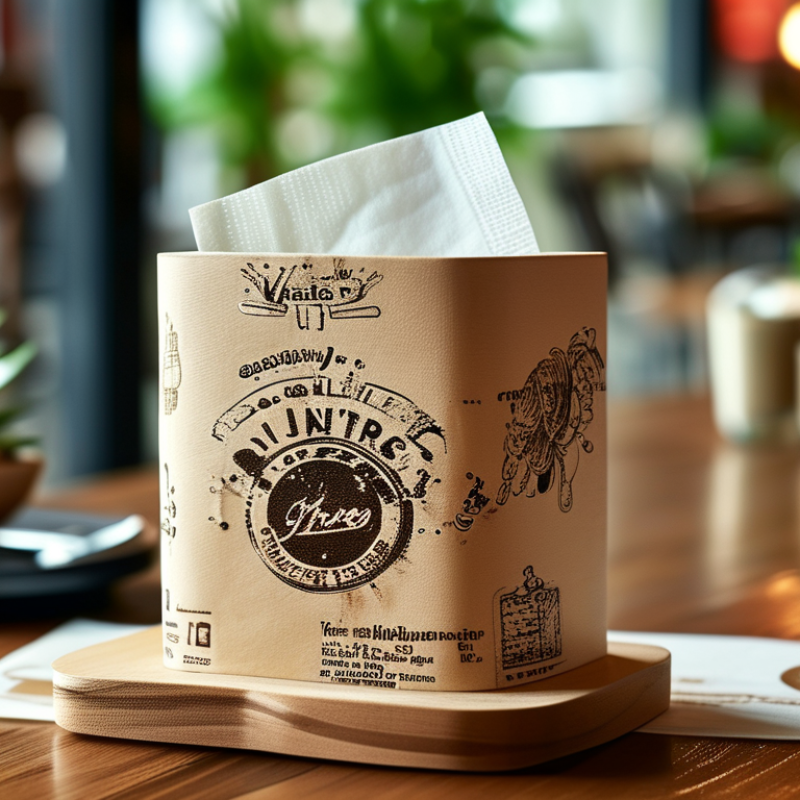
What Are Tissue Paper Napkins?
Tissue paper napkins are lightweight, creped paper products made for gentle contact, quick absorption, and convenient disposal. Their soft surface comes from fine fibers and controlled drying during manufacture. Some use virgin fiber, while others include recycled content. The exact feel depends on ply, basis weight, embossing, and moisture resistance.
They are practical in restaurants, cafés, hotels, offices, and catering operations. A folded napkin can protect a tabletop, absorb sauces, and support cleaner hand service. It also takes little storage space. Small details matter. A rough napkin can damage the guest experience, even when the meal is excellent.
The U.S. EPA’s 2022 Facts and Figures report states that paper and paperboard represented 23.1% of municipal solid waste generation. Its recovery data also shows why fiber sourcing and disposal instructions deserve attention. Tissue is not automatically sustainable. Contamination, mixed materials, and excessive use can reduce recovery value. That part is often overlooked.
FAO’s 2023 Forest Products Yearbook recorded global paper and paperboard production above 400 million tonnes in 2022. This scale reflects the importance of responsible fiber management across the paper industry. For business buyers, useful checks include recycled content, packaging efficiency, certifications, and supplier documentation. Do not judge quality by thickness alone. A thinner, well-embossed napkin may absorb effectively, while a heavy product may create unnecessary material use.
How Do Tissue Paper Napkins Support Business Needs?
Tissue paper napkins support daily business needs through hygiene, speed, and customer comfort. In restaurants, cafés, and catering settings, they offer a clean barrier between hands, food, and shared surfaces. Their lightweight format also helps staff replenish tables quickly during busy service periods. Small details matter. A neatly folded napkin can make a counter, tray, or dining table feel more prepared.
Cost control is another practical advantage. Tissue napkins require little storage space and can be purchased in quantities suited to changing customer traffic. The Global Tissue and Hygiene Products market research published by Smithers identifies away-from-home consumption as an important demand area for tissue products. This supports their role in foodservice and hospitality operations. However, cheaper napkins may tear easily, increase consumption, and create a poor user experience. Low price is not always low cost.
Sustainability also affects purchasing decisions. The U.S. Environmental Protection Agency reported that paper and paperboard represented 23.1% of municipal solid waste in its 2018 national assessment. Businesses should therefore consider recycled content, responsible sourcing, appropriate sheet size, and waste levels. A smaller napkin is not automatically greener if customers need three. Practical testing is essential. Monitor usage during real service, not only in a supplier sample room. Tissue napkins support business needs best when hygiene, durability, cost, and waste are evaluated together.
Where Are Tissue Paper Napkins Commonly Used?
Tissue paper napkins are common in restaurants, cafés, hotels, offices, schools, and healthcare facilities. They support quick service and cleaner customer interactions. A server can place one beside a warm meal, while a café can offer folded napkins near the pickup counter. Small detail, big effect. Customers notice empty dispensers, weak sheets, and messy tables.
The Smithers 2024 market outlook estimates global tissue and hygiene paper demand at more than 40 million tonnes annually. Foodservice remains an important use area because meals, takeaway orders, conferences, and public events require fast, disposable hygiene solutions. Tissue napkins also suit meeting rooms and reception desks, where shared cloth towels may be impractical. However, selecting the lowest-cost option can backfire. Thin napkins may increase consumption and create a poor impression. The U.S. Environmental Protection Agency reported a 68.2% recovery rate for paper and paperboard in 2018, but used napkins are commonly excluded from recycling because of food contamination.
Tips: Match napkin absorbency with the setting. Choose softer, stronger sheets for restaurants and hotels. Use compact dispensers in busy cafés to control waste. Keep reserve cartons dry and away from cleaning chemicals. Check local disposal guidance before making sustainability claims. The details are easy to overlook.
How Should Businesses Choose the Right Tissue Napkins?
Choosing the right tissue napkins begins with understanding how customers use them. A café serving pastries needs stronger absorption than a meeting room offering coffee. Consider the menu, service style, and cleaning demands before comparing prices.
Napkin size matters. Small napkins suit drinks, while larger formats support full meals and saucy dishes. Two-ply tissue often balances softness, strength, and cost for everyday service. Three-ply options feel more substantial, but they may increase consumption and storage needs. Texture deserves attention. Rough tissue can discourage use, while overly smooth tissue may struggle with moisture.
Test before ordering in bulk. Place a napkin beside a wet plate, fold it around cutlery, and check whether it tears during handling. Also examine dispenser compatibility, package cleanliness, and storage conditions. Moisture can weaken tissue before customers receive it. A practical trial with staff can reveal problems that product descriptions miss.
A thicker napkin is not always better. It may look professional yet create unnecessary waste. I have seen businesses choose softness over absorbency, then replace supplies quickly. That choice seemed attractive at first. Reliable purchasing records should compare usage, customer feedback, and daily costs over several weeks. Local hygiene requirements and disposal practices should guide the final decision.
Why Choose Tissue Paper Napkins for Your Business?
How should businesses choose the right tissue napkins?
This transparent procurement model assigns practical importance weights to the main buying factors. Hygiene and compliance should come first, followed by absorbency and cost per use. Sustainability and presentation can then be adjusted according to the business format, customer expectations, and serving environment.
Planning framework: weights total 100% and should be adapted to each business’s operating requirements.