What Is Roadway Safety Equipment and Why Is It Important?

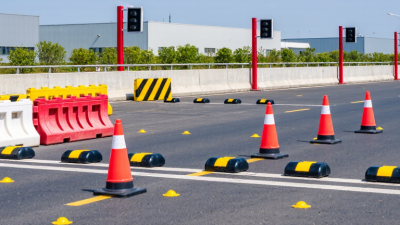
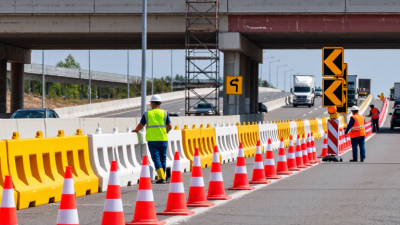
Roadway safety equipment helps turn an exposed road into a more controlled environment. Cones, impact attenuators, guardrails, warning signs, arrow boards, and high-visibility clothing guide people through changing conditions. At dusk, retroreflective sheeting can catch a driver’s headlights before a work zone becomes a sudden obstacle. On wet pavement, stable channelizing devices can maintain a clear path when visibility is already poor.

The details matter. A barrier placed too close to traffic may create a new hazard. A damaged cone may disappear into visual clutter. An electronic message board with unclear wording can delay decisions. Road crews must inspect equipment, confirm placement, and adapt protection as the roadway changes. Experience reveals uncomfortable gaps. Inspection records can be incomplete, and even well-designed controls cannot replace alert workers or attentive drivers.

Professor Fred Wegman, a leading road-safety researcher, describes the Sustainable Safety goal plainly: “Prevent crashes where possible, and reduce injury severity when crashes occur.” That principle explains why roadway safety equipment is more than roadside hardware. It forms part of a risk-management system supported by engineering judgment, field experience, maintenance, and measured performance. Reliable equipment should be visible, correctly installed, routinely checked, and suitable for the location. It should also support predictable behavior from every road user.

No device works perfectly. Conditions change quickly. Yet thoughtful selection and disciplined use can reduce confusion, protect workers, and lessen crash consequences. This guide examines what roadway safety equipment includes, how it functions, and why its quality deserves careful attention.
What Is Roadway Safety Equipment and Why Is It Important?

Definition and Scope of Roadway Safety Equipment

Roadway safety equipment is the collection of tools used to guide traffic, protect workers, and reduce roadside hazards. Its scope includes traffic cones, channelizing drums, barriers, warning signs, delineators, temporary signals, lighting, and impact-attenuating devices. It can also include high-visibility clothing and protective gear for crews working near moving vehicles. Visibility matters.

The equipment may be temporary, permanent, or installed only during emergencies and maintenance. A narrow urban lane needs different controls from a high-speed rural road. Site distance, weather, traffic volume, nighttime conditions, and road geometry all affect the selection. I have seen a properly placed sign lose value when vegetation covered its lower edge. Small details can change driver behavior.

Effective safety equipment must be suitable, visible, stable, and inspected regularly. Crews should check damaged cones, weak barrier connections, dim warning lights, and shifted signs before each work period. Installation should follow the approved traffic-control plan and applicable local requirements. Conditions change. Rain, dust, glare, and construction vehicles can quickly reduce performance. The boundary of this equipment is not always tidy; a truck-mounted warning panel may support both traffic control and worker protection. That overlap requires clear responsibility, careful training, and honest field review. Sometimes a setup looks complete but still leaves an unsafe path for pedestrians or cyclists.

Main Types of Roadway Safety Equipment

What Is Roadway Safety Equipment and Why Is It Important?

Main Types of Roadway Safety Equipment

Roadway safety equipment guides drivers, separates traffic, and reduces crash severity. Common types include traffic cones, channelizing drums, reflective delineators, warning signs, temporary signals, and portable barriers. Crash cushions absorb impact near bridge ends, work zones, and lane shifts. Guardrails help redirect vehicles, although they cannot prevent every injury. According to the Federal Highway Administration, 891 people died in U.S. work-zone crashes in 2022. Clear devices matter most where lanes narrow or workers stand close to moving traffic.

Visibility equipment is equally important. High-intensity reflective sheeting, flashing beacons, roadway lighting, and illuminated arrow boards help drivers read changes at night or in rain. The World Health Organization reported about 1.19 million road deaths globally each year in its Global Status Report for 2023. Equipment alone cannot solve that risk. Placement, spacing, inspection, and prompt replacement matter. A damaged cone can mislead drivers. Small details matter.

Field checks should examine ballast, visibility, alignment, and surface damage. Dust can dull reflective signs. Water can weaken temporary foundations. Maintenance teams sometimes focus on installing equipment, then overlook daily conditions. That gap deserves more attention. NHTSA recorded 40,901 U.S. traffic fatalities in 2023, showing why practical, well-maintained protection remains necessary. Safety planning should match road speed, traffic volume, weather, and worker exposure.

What Is Roadway Safety Equipment and Why Is It Important? - Main Types of Roadway Safety Equipment

Equipment Type Primary Safety Function Common Applications Typical Materials or Features Key Safety Considerations
Traffic Cones Guide road users and mark short-term hazards or work areas. Lane shifts, temporary closures, maintenance activities, and incident scenes. Flexible plastic construction, weighted bases, and high-visibility reflective collars or bands. Use the height, color, spacing, and reflective treatment required by the applicable roadway authority.
Delineator Posts and Tubular Markers Provide continuous visual guidance along road edges, curves, and channelized paths. Roadside edge marking, temporary lane boundaries, medians, and pedestrian detours. Flexible posts, reflective panels, durable bases, and impact-resistant materials. They should remain upright, visible, and correctly aligned after contact or severe weather.
Traffic Drums Create a highly visible physical separation between traffic and work zones. Longer-duration construction zones, lane closures, and roadway alignment changes. Large lightweight bodies, weighted bases, and alternating bright and reflective bands. Maintain consistent spacing and replace damaged or missing reflective bands promptly.
Barricades Block access and direct vehicles or pedestrians away from hazards. Road closures, excavation areas, sidewalk work, and temporary detours. Rigid or portable frames with striped panels, warning lights, and reflective surfaces. Position panels toward approaching traffic and secure the unit against wind, movement, and unauthorized relocation.
Warning and Regulatory Signs Communicate hazards, restrictions, required actions, and changes in normal traffic conditions. Speed reductions, lane closures, detours, pedestrian crossings, and work-zone approaches. High-contrast sign faces, retroreflective sheeting, portable stands, or permanent supports. Signs must be legible, correctly mounted, unobstructed, and placed far enough upstream for safe driver response.
Arrow Boards Direct drivers into open lanes and provide advance notice of lane closures. Mobile work zones, highway maintenance, nighttime operations, and lane merges. High-intensity amber lamps, programmable arrow patterns, trailers, or truck-mounted frames. Select the display pattern according to the traffic arrangement; avoid confusing messages or excessive visual clutter.
Variable Message Signs Deliver changing information about incidents, congestion, detours, and travel conditions. Major construction projects, emergency response, special events, and traffic management. Electronic displays, portable trailers, solar or battery power, and remote communication systems. Messages should be brief, accurate, readable from a safe distance, and updated when conditions change.
Crash Cushions and Impact Attenuators Reduce the severity of impacts by absorbing or redirecting vehicle energy. Barrier ends, gore areas, bridge approaches, and temporary work-zone obstacles. Energy-absorbing cartridges, engineered structural elements, and crash-rated assemblies. Use only a system suitable for the hazard, roadway speed, installation layout, and required impact conditions.
Portable and Temporary Barriers Separate traffic from workers, pedestrians, opposing traffic, and drop-offs. Median work, bridge repairs, excavation zones, and long-term construction sites. Interconnected concrete, steel, or water-filled barrier sections with reflective markings. Correct anchoring, alignment, transitions, and end treatments are essential for safe performance.
Pavement Markings and Raised Markers Define lanes, edges, crossings, stop lines, and traffic channelization. Permanent road layouts, temporary lane shifts, pedestrian crossings, and nighttime guidance. Paint, thermoplastic materials, reflective glass beads, and raised pavement markers. Markings must remain visible in wet and low-light conditions and should be renewed when wear reduces recognition.
Safety Note: Selection, placement, spacing, color, reflectivity, and maintenance requirements vary by road classification, traffic speed, work-zone duration, weather, and local roadway regulations.

How Roadway Safety Equipment Protects Road Users

What Is Roadway Safety Equipment and Why Is It Important?

Roadway safety equipment creates visible layers of protection for drivers, cyclists, pedestrians, and road crews. The need is severe. The World Health Organization reported about 1.19 million road deaths annually, with 20–50 million nonfatal injuries worldwide. That number is difficult to picture. A properly placed barrier can redirect an errant vehicle. A crash cushion can absorb energy before it reaches workers or pedestrians. Delineators and reflective markings help drivers read curves during rain, darkness, or glare.

The Federal Highway Administration’s 2023 Manual on Uniform Traffic Control Devices identifies signs, markings, signals, and channelizing devices as essential guidance tools. These devices reduce uncertainty. Temporary barriers separate moving traffic from active work areas. Warning signs provide decision time. Rumble strips create vibration and sound when a vehicle drifts. Small details matter.

Equipment cannot correct every unsafe decision. Poor placement, damaged reflectors, or blocked signs can weaken an entire safety system. Field inspections should check visibility, spacing, anchoring, and night performance. The International Transport Forum also emphasizes a Safe System approach, where roads and vehicles should limit injury severity when mistakes occur. That principle feels practical. No system is flawless. Weather, fatigue, and human judgment still interfere. Better equipment, regular maintenance, and evidence-based design can reduce the consequences. Road users deserve protection they can see, understand, and trust.

Where Roadway Safety Equipment Is Used

What Is Roadway Safety Equipment and Why Is It Important?

Where Roadway Safety Equipment Is Used

Roadway safety equipment appears wherever vehicles, pedestrians, and road crews share limited space. In construction zones, crews use cones, temporary barriers, warning signs, and flashing lights to guide traffic safely. On rainy evenings, reflective surfaces help drivers notice a narrowed lane before reaching it. Visibility matters.

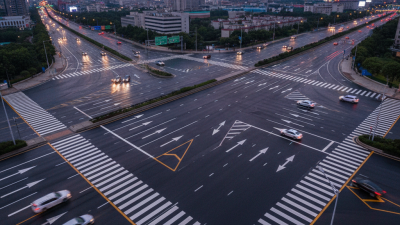
At intersections, raised pavement markers, lane delineators, signal supports, and pedestrian barriers organize movement from several directions. School zones often use portable signs, crossing equipment, and speed feedback displays near busy sidewalks. These tools make driver decisions clearer, especially when children may enter the road unexpectedly. Temporary fencing can also separate pedestrians from uneven pavement or open work areas.

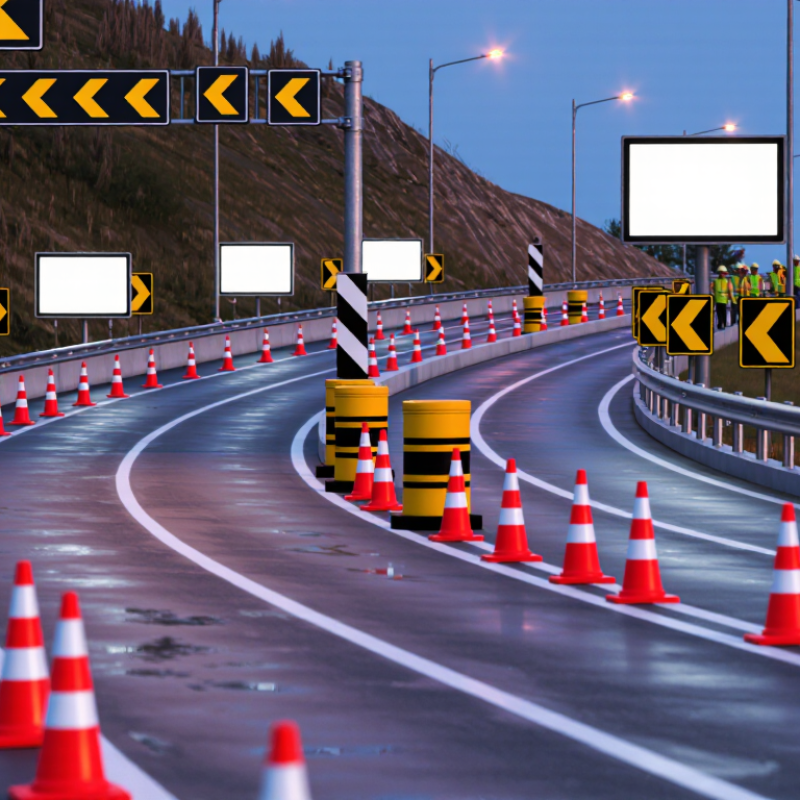
Bridges, tunnels, sharp curves, and steep roads require different protection. Guardrails and impact cushions can reduce the severity of a vehicle leaving its lane. Delineator posts show the road edge when snow, fog, or darkness hides painted lines. In rural areas, warning signs and solar-powered lighting may support drivers across long, poorly lit stretches.

From field experience, equipment works best when crews place it according to traffic speed, sight distance, and pedestrian behavior. A barrier positioned too close to a travel lane can create another hazard. That mistake is easy to overlook. Regular inspections should check damaged reflectors, unstable bases, faded signs, and blocked lights. Conditions change quickly, so a setup that worked yesterday may need adjustment today.

Selection, Installation, and Maintenance Requirements

Roadway safety equipment includes signs, barriers, delineators, cones, impact attenuators, and warning lights. Selection should match traffic speed, road width, weather, and work-zone exposure. A trained safety professional should review the site before ordering equipment. Temporary devices may need different performance levels than permanent installations. Visibility matters at dawn, in rain, and under dirty conditions. A product that looks suitable may still fail in real traffic.

Installation must follow approved drawings, manufacturer instructions, and applicable transportation standards. Workers should check spacing, anchoring, alignment, and sight distance. Barriers need stable ground and correct transitions between equipment types. Warning signs should face approaching drivers, not the convenient direction for installers. Small errors can create serious gaps. Even experienced crews miss details when schedules become tight. That deserves honest review.

Tips: Inspect equipment before each shift. Replace cracked cones, faded signs, and loose fasteners. Keep a simple inspection record with dates, locations, and corrective actions. Recheck installations after storms, vehicle contact, or pavement changes. Do not assume yesterday’s setup remains safe today. Different crews may notice different problems, so shared inspections can improve reliability. Ask whether workers can see and understand each warning quickly. If the answer is uncertain, adjust the layout and document the reason.

Product Added

Go to Quote Request Form

Continue Product Search