10 Tips for Improving Transportation Safety Infrastructure
Transportation safety infrastructure is more than asphalt, signs, and concrete barriers. It is the physical system that guides people through streets, highways, bridges, crossings, and work zones. When it performs well, drivers notice little. When it fails, a faded lane line, hidden drain, or poorly timed signal can create serious risk within seconds.
Claes Tingvall, a former traffic safety director at the Swedish Road Administration, stated, “The only acceptable number of deaths and serious injuries in the road transport system is zero.” This principle supports a human-centered approach to transportation safety infrastructure. Roads should anticipate mistakes instead of assuming perfect attention. Raised crossings, visible lighting, protected bicycle lanes, forgiving roadside designs, and clear signs can reduce the consequences of human error.
These ten tips focus on practical improvements that transportation agencies, engineers, and communities can evaluate. They include routine inspections, safer intersection layouts, better nighttime visibility, reliable maintenance, and evidence-based speed management. A cracked shoulder deserves attention. So does a crossing that feels unsafe after sunset. Small defects can reveal larger planning weaknesses.
No checklist is flawless. Budget limits, weather, traffic growth, and local behavior can change the outcome. Some projects may improve one location while shifting danger elsewhere. That possibility requires honest review, updated crash data, and feedback from road users. Safer transportation safety infrastructure develops through measurement, field experience, and continuous correction—not through attractive designs alone.
Assessing Transportation Safety Risks and Infrastructure Needs
10 Tips for Improving Transportation Safety Infrastructure
Assessing Transportation Safety Risks and Infrastructure Needs
Effective safety planning begins with evidence, not assumptions. Review crash records, near-miss reports, traffic speeds, weather patterns, and pedestrian movement. A road can appear calm while hidden risks remain. That gap matters.
Walk the route at different times. Inspect faded markings, poor lighting, blocked signs, damaged barriers, and confusing intersections. Measure sight distance near crossings and record how drivers actually behave. Consult road engineers, emergency responders, cyclists, transit users, and nearby residents. Their experience often reveals problems missing from official data.
Risk assessments should guide practical investment. Prioritize locations with repeated severe crashes, limited visibility, or delayed emergency access. Consider raised crossings, clearer signals, protected walking space, drainage repairs, and speed management. Use recognized engineering guidance and document every decision. Independent safety audits can challenge internal assumptions. Small changes help.
However, no assessment is perfect. During one field review, our team focused heavily on vehicle flow and underestimated schoolchildren crossing between intersections. The design required revision. That mistake reinforced the value of observing real behavior, not only studying drawings. Track results after construction through speed checks, user feedback, and updated crash data. Reassess after unusual weather or major development. Infrastructure needs change. Safety work must change with them.
Designing Safer Roads, Intersections, and Public Transit Systems
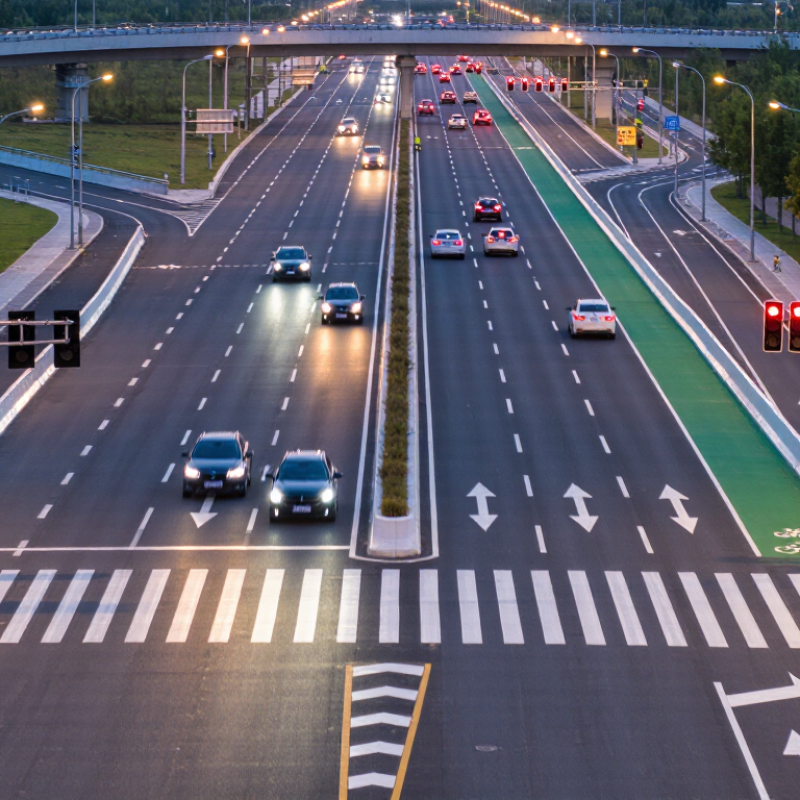
Safer transport begins with streets people can read quickly. Use clear lane markings, raised crossings, and lighting at every conflict point. Keep sidewalks continuous, wide enough for wheelchairs, and free from utility clutter. Place speed feedback signs near schools and busy residential blocks. They work best when road design, not signs alone, encourages slower travel. Watch the edges.
At intersections, shorten crossing distances with curb extensions and refuge islands. Give pedestrians a visible head start before turning traffic moves. Install signal timing that supports older adults and people carrying bags. Trim landscaping near corners; a hidden child is a serious design failure. Audit nighttime visibility after rain, when glare can erase markings. Review crash records and near-miss reports before approving changes.
Public transit safety depends on the whole journey, not just the vehicle. Keep platforms level, non-slip, and separated from moving traffic. Provide real-time announcements, readable maps, and emergency communication points. Train operators to recognize near misses, not only reported crashes. Review bus stop spacing, shelter placement, and boarding gaps with riders each season. Field experience shows small defects become dangerous patterns. Our plans are not perfect; a curb extension may obstruct drainage, or a signal may confuse cyclists. Test changes with residents, measure conflicts, and revise openly.
Pedestrian fatalities in the United States increased from 4,735 in 2013 to 7,522 in 2022. This trend highlights the importance of safer road design, protected crossings, improved intersection visibility, traffic calming, and reliable pedestrian infrastructure.
Source: National Highway Traffic Safety Administration, Traffic Safety Facts: Pedestrians, 2013–2022.
Integrating Smart Technology for Monitoring and Incident Prevention
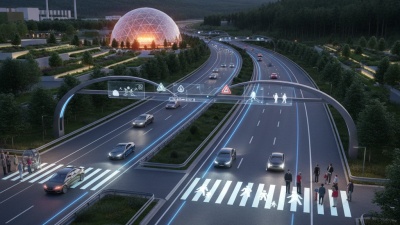
Transportation safety infrastructure improves when technology supports people, rather than simply collecting more data. Smart cameras, road sensors, and connected signals can monitor speed, congestion, pavement damage, and sudden braking. Real-time dashboards help control teams identify dangerous patterns before crashes occur. Start small. A pilot near a busy crossing can reveal whether alerts are accurate, useful, and fast enough for daily operations.
Reliable monitoring depends on careful installation and maintenance. Sensors need clear sightlines, stable power, and regular testing in rain, darkness, and heavy traffic. Data should be encrypted, access should be limited, and retention rules should be transparent. These controls protect public trust and reduce unnecessary exposure of personal information. Our early dashboard showed many alerts, but too many were false. That problem forced better calibration and stronger human review.
Incident prevention also requires communication. Connected warning signs can notify drivers about stopped vehicles, poor visibility, or changing lane conditions. Emergency teams can receive verified alerts with location, time, and severity details. Engineers should compare system warnings with field reports and collision records. A monthly review can uncover blind spots, delayed responses, or confusing messages. Technology may fail during storms or network outages. Backup procedures, manual inspections, and staff training remain essential. People still make the final safety judgment.
Maintaining Infrastructure and Measuring Long-Term Safety Performance
Transportation safety depends on infrastructure that remains reliable after construction ends. A faded lane line, blocked drain, or loose guardrail can change driver behavior within minutes. Regular inspections should record these details, not only major defects. Field teams can photograph pavement cracks, measure skid resistance, and log repair dates. Small failures often reveal larger maintenance gaps.
The World Health Organization’s Global Status Report on Road Safety 2023 estimates 1.19 million annual road deaths worldwide. It also links road crashes to economic losses of about 3% of national GDP in many countries. These figures make long-term monitoring essential. Agencies should track serious injuries, nighttime crashes, pedestrian conflicts, and maintenance response times. Traffic volume alone is not a safety measure. A safer road may still show more crashes when exposure increases.
Performance reviews should compare conditions before and after each intervention. For example, a redesigned crossing needs data from several seasons, not one quiet month. Sensors, collision records, and community reports can support that review. The International Transport Forum’s Road Safety Annual Report 2023 stresses the value of consistent indicators across time. Our first maintenance plan was too reactive. We repaired visible damage, but ignored drainage until flooding returned. That mistake was expensive. It also showed why inspection schedules need funding, ownership, and honest revision. Perfect data is unlikely. Transparent data is still useful.