Choosing the right roadway safety equipment in 2026 requires more than comparing prices or product photos. Global buyers must examine visibility, durability, maintenance needs, and documented performance. A bright traffic cone may look suitable online, yet its reflective sleeve can fade after months of sunlight, rain, and roadside dust. Small details matter.
This guide explores practical equipment for highways, urban streets, construction zones, and temporary traffic control. It considers impact attenuators, crash barriers, delineators, warning lights, road studs, portable signs, and high-visibility workwear. Each category serves a different risk. A compact solar beacon may support a nighttime lane closure, while water-filled barriers can separate vehicles from workers during short projects. Product selection should follow verified testing, clear specifications, and local authority requirements.
There is no universal solution. Standards, climate conditions, road layouts, and installation practices vary across regions. Even certified equipment can perform poorly when placed incorrectly or neglected. That point deserves attention. Reliable suppliers should provide test reports, material information, installation guidance, replacement parts, and traceable quality records. Buyers should also request samples and inspect them under realistic conditions before large orders. This 2026 overview aims to support informed decisions, not promote a single brand. Some recommendations may require adjustment after field feedback, because roadway safety depends on both equipment quality and human judgment.
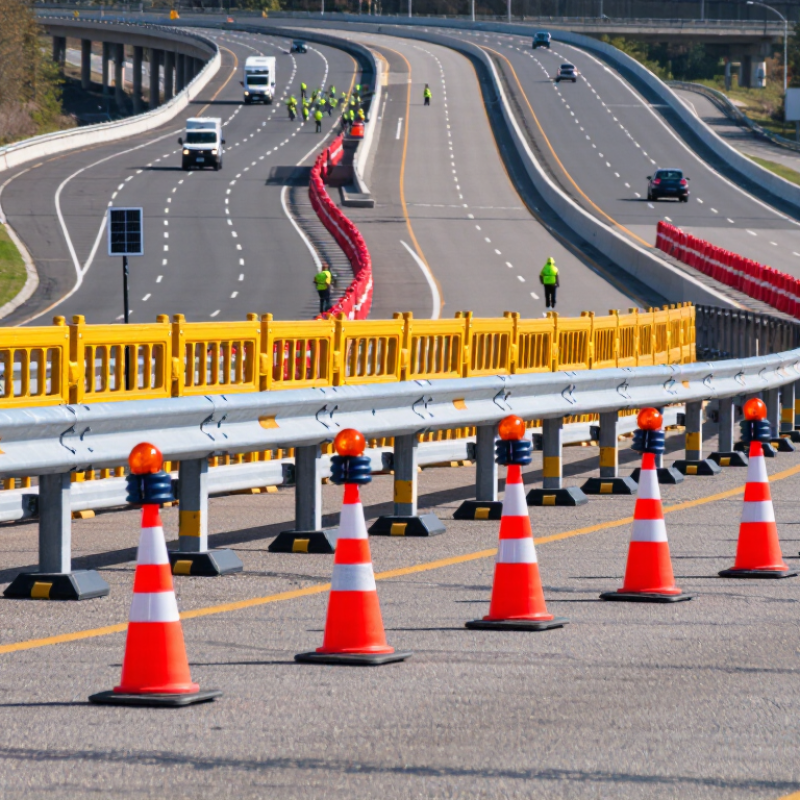
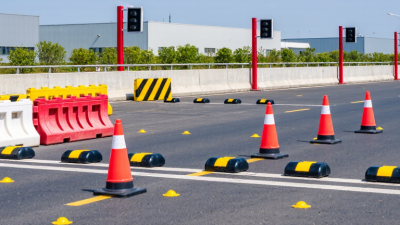
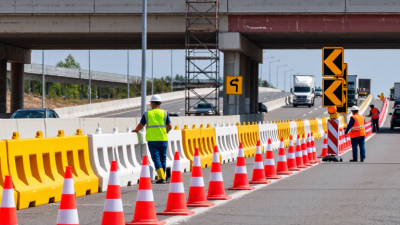
Roadway safety equipment includes products that guide traffic, protect road users, and improve visibility. Its scope covers work zones, highways, urban streets, bridges, tunnels, and temporary detours. Common equipment includes cones, barriers, delineators, warning lights, road signs, impact attenuators, and high-visibility clothing. Each item supports a specific control point.
In field inspections, placement often matters as much as product quality. A bright warning lamp cannot correct poor spacing. Barriers should remain stable on uneven pavement. Signs need clear messages, suitable height, and enough viewing distance. Equipment must also match weather, traffic speed, road width, and installation time. Buyers should check material strength, visibility, maintenance needs, and test documentation. Local road standards remain essential because requirements differ between regions.
Reflective surfaces help drivers notice hazards at night or during rain. Temporary barriers create safer working boundaries. Impact devices reduce energy during a collision, but they cannot replace proper traffic planning. That point is sometimes overlooked. No setup is perfect.
Dust, poor lighting, rushed installation, and damaged fittings can weaken an otherwise reliable system. Experienced purchasing teams inspect samples, review service records, and confirm replacement availability before placing large orders.
A practical checklist should include dimensions, operating temperature, cleaning methods, storage conditions, and worker visibility. During site trials, small faults often appear first. Those faults deserve attention, not excuses.
Road safety begins with visible, dependable equipment. Global buyers should consider traffic cones, reflective barriers, warning signs, temporary signals, lane separators, and crash cushions. Each category serves a different risk. Cones guide vehicles, while barriers protect workers near moving traffic. Reflective signs improve recognition during rain, fog, and nighttime operations.
Work zones also need portable lighting, speed display boards, pedestrian channels, and high-visibility clothing. Highways may require stronger delineators and impact-absorbing systems for faster traffic. During field inspections, I have noticed small placement errors create confusing vehicle paths. Equipment quality matters, but correct positioning matters more. No setup is perfect.
Tips: Check retroreflective performance, stability, drainage, battery life, and replacement parts before purchasing. Test equipment outdoors, not only in a warehouse. Ask suppliers for material specifications, inspection records, and maintenance guidance. Match every item with local road conditions and applicable safety requirements. A lightweight barrier may work on a calm urban street but fail in strong wind. That difference is easy to overlook. Use clear inventory labels, scheduled inspections, and documented repair decisions. Better records support safer teams and more reliable purchasing.
2026 Best Roadway Safety Equipment for Global Buyers?
Global purchasing should begin with risk, not price. The WHO Global Status Report on Road Safety 2023 records approximately 1.19 million annual road deaths. It also reports 20–50 million non-fatal injuries worldwide. These figures justify careful equipment selection, especially in regions with heavy traffic, poor lighting, or severe weather.
Evaluate visibility, impact resistance, service life, and maintenance needs. Request test reports linked to the exact product batch. Check laboratory accreditation under ISO/IEC 17025, not only a printed certificate. Compare performance against relevant national standards, because one approval may not fit every market. For barriers, cones, delineators, and warning signs, inspect material thickness, retroreflectivity, color stability, and temperature tolerance. The ISO 39001 framework can also help buyers assess a supplier’s broader road-safety management approach. Yet paperwork is not field evidence. A well-made product may still fail when installed badly.
Tips: Ask for samples. Test them outdoors. Record night visibility after rain. Confirm replacement parts, packaging strength, customs documents, and technical support. Keep a scoring sheet for safety, durability, traceability, and total cost. Avoid choosing the lowest quotation automatically. It often hides shorter service life. My own purchasing reviews have shown a common weakness: teams measure purchase price carefully, but measure maintenance rarely. That gap deserves more attention. Sources: WHO Global Status Report on Road Safety 2023; ISO 39001:2012; ISO/IEC 17025:2017.
| Equipment Category | Primary Safety Function | Key International Standards or References | Important Performance Data to Request | Typical Procurement Benchmark | Climate and Site Suitability | Verification Documents | Global Purchasing Priority |
|---|---|---|---|---|---|---|---|
| Permanent Vehicle Restraint Systems | Redirects errant vehicles and reduces the risk of leaving the roadway or entering opposing traffic. | EN 1317-1 and EN 1317-2; applicable national road authority requirements. | Containment level, working width, impact severity level, dynamic deflection, system length, terminal compatibility, and transition design. | Require a complete tested system rather than mixing untested rails, posts, terminals, or transitions from different designs. | Check corrosion protection, drainage conditions, snowplow exposure, soil strength, coastal salt, and high-temperature performance. | Independent crash-test report, installation manual, drawings, material certificates, coating data, and maintenance instructions. | Very High |
| Temporary Safety Barriers | Separates traffic from work zones and protects workers, pedestrians, and road users. | EN 1317-2 for tested restraint performance; local work-zone traffic-control regulations. | Containment level, working width, deflection, connection strength, anchoring method, unit length, and installation speed. | Specify the tested configuration, including ballast, anchoring, end treatment, and connection details. | Evaluate wind exposure, uneven pavement, frequent relocation, water drainage, temperature cycling, and transport limits. | Crash-test evidence, layout drawings, ballast or anchorage calculations, lifting instructions, and inspection checklist. | Very High |
| Crash Cushions and Impact Attenuators | Absorbs kinetic energy at hazards such as barrier ends, gore areas, and fixed roadside objects. | EN 1317-3; applicable national crash-cushion acceptance requirements. | Design speed, redirection capability, non-gating behavior, impact severity, working width, repair method, and replacement parts. | Choose a unit tested for the actual hazard geometry and posted approach speed, not only by nominal size. | Confirm performance on wet, dusty, icy, heavily trafficked, or salt-exposed roads and verify spare-part availability. | Full-scale test report, approved configuration drawings, energy-absorption data, installation guide, and repair schedule. | Very High |
| Traffic Cones and Cylinders | Provides visible temporary channelization and separates road users from work activities. | EN 13422 for warning cones and cylinders; local requirements may specify height, color, and retroreflection. | Overall height, base stability, fluorescent color, retroreflective band width, mass, flexibility, and recovery after impact. | Use at least two high-visibility retroreflective bands where required by the destination market; confirm dimensions locally. | Assess ultraviolet resistance, cold flexibility, heat resistance, wind stability, and resistance to vehicle rollover. | Product test report, color and retroreflectivity test results, material declaration, dimensional inspection, and packing specification. | High |
| Delineator Posts and Flexible Bollards | Marks road edges, traffic channels, islands, and hazard locations during day and night. | Applicable national delineator specifications; retroreflective material requirements such as ASTM D4956 or EN ISO 20471-related material testing where relevant. | Visibility distance, retroreflective performance, rebound or recovery angle, foundation strength, color stability, and breakaway behavior. | Specify viewing geometry and color requirements because retroreflective performance varies with observation and entrance angles. | Test resistance to ultraviolet exposure, freezing, sand, salt spray, snowplow contact, and repeated vehicle strikes. | Photometric test report, ultraviolet-aging results, material data sheet, installation details, and field replacement procedure. | High |
| High-Visibility Roadwork Apparel | Improves worker conspicuity around moving traffic and mobile equipment. | ISO 20471; ANSI/ISEA 107; destination-country occupational safety rules. | Garment class, background material area, retroreflective material area, fluorescent color, breathability, seam quality, and wash durability. | Match the garment class to traffic speed, distance, lighting, weather, and work-zone risk; do not rely on color alone. | Specify insulation or ventilation, rain protection, flame resistance where required, and performance after repeated laundering. | Conformity certificate, laboratory test report, size chart, care label, wash-cycle results, and material composition declaration. | High |
| Road Traffic Signs and Sign Faces | Communicates regulatory, warning, guidance, and temporary traffic-control information. | EN 12899 for fixed vertical road traffic signs; ASTM D4956 for retroreflective sheeting; local sign-design manuals. | Retroreflective performance, sign size, legend readability, color coordinates, wind load, substrate thickness, and mounting strength. | Specify the required retroreflective performance class and measure the complete sign assembly, not only the sheeting. | Consider ultraviolet exposure, temperature range, salt spray, humidity, dust, hail, and high-wind structural loads. | Photometric report, colorimetry results, substrate and coating certificates, structural calculations, artwork proof, and warranty terms. | Very High |
| Portable Variable Message Signs | Provides changing warnings, lane information, speed messages, and diversion instructions. | Applicable national intelligent transport system and temporary traffic-control requirements. | Pixel or character visibility, viewing angle, luminance control, message capacity, battery autonomy, solar charging, enclosure rating, and remote monitoring. | Require automatic brightness adjustment and a clear failure mode that does not display misleading information. | Check operation in rain, dust, snow, heat, low temperatures, strong wind, and extended periods without direct sunlight. | Electrical safety report, ingress-protection test, EMC test, battery specifications, autonomy test, software documentation, and user manual. | High |
| Portable Traffic Signals | Controls alternating traffic through narrow work zones and temporary diversions. | Applicable national traffic-signal and temporary-control standards; electrical safety and EMC requirements. | Signal head visibility, timing accuracy, synchronization method, battery runtime, conflict monitoring, lamp failure detection, and trailer stability. | Specify minimum operating time for the longest expected low-sun or no-sun period and include a safe fallback mode. | Evaluate waterproofing, battery performance in cold weather, solar-panel soiling, wind stability, and transport durability. | Electrical and EMC test reports, timing verification, battery test, wiring diagram, risk assessment, and maintenance instructions. | High |
| Pedestrian and Cyclist Channelization Systems | Creates a continuous, detectable, and accessible route around road construction or maintenance areas. | Local accessibility regulations; applicable temporary traffic-control and pedestrian-safety requirements. | Minimum clear route width, edge protection, stability, detectable lower edge, surface slip resistance, height, and gap dimensions. | Maintain an uninterrupted accessible route and provide ramps or transitions where levels change. | Check performance on rain-slick surfaces, uneven ground, crowded urban streets, strong wind, and repeated public contact. | Layout drawings, accessibility assessment, slip-resistance data, stability calculations, installation guide, and inspection form. | Very High |
| Roadside Emergency and Maintenance Kits | Supports rapid response to collisions, debris, spills, disabled vehicles, and short-duration hazards. | Local highway maintenance, emergency response, environmental, and occupational safety requirements. | Kit contents, visibility, deployment time, absorbent capacity, warning-device quantity, PPE level, shelf life, and replenishment method. | Use a documented checklist based on incident types, road classification, crew size, and response distance. | Protect contents from moisture, heat, freezing, ultraviolet exposure, contamination, and unauthorized access. | Contents list, safety data sheets, expiry-date register, inspection schedule, packaging test, and user training record. | Medium to High |
Global buyers should evaluate roadway safety equipment through standards, testing, and documented traceability. Safety cones, barriers, warning lights, and reflective signs face different risks. A certificate alone does not prove suitability for every work zone.
Depending on the product, buyers may review EN, ASTM, ISO, or local transport authority requirements. For example, EN 13422 may apply to traffic cones, while EN 1317 covers certain vehicle restraint systems. ASTM D4956 addresses retroreflective sheeting performance. ISO 9001 supports manufacturing control, but it does not replace product testing. Requirements vary by country. Confirm them before ordering.
Ask suppliers for current test reports, declarations of conformity, batch records, and installation instructions. Check the testing laboratory’s accreditation and verify the report number. During inspection, examine reflective surfaces at dusk, measure light output, and check barrier stability on uneven ground. Rain matters too. Paperwork ages.
A careful buyer should also review ultraviolet exposure, temperature changes, packaging, and replacement parts. Field conditions can differ sharply from laboratory conditions. This is where certification has limits.
A product may pass testing yet perform poorly after rough transport or incorrect installation.
My own review process would still need improvement, especially when local road crews use equipment differently than expected. Conditions change. Procurement decisions should leave room for technical questions, independent checks, and documented corrective action.
For 2026 global buyers, roadway safety equipment should be managed as an asset, not a one-time shipment. The World Health Organization’s Global Status Report on Road Safety 2023 estimates 1.19 million annual road deaths worldwide. That figure makes installation discipline more than a procurement detail. Crews should verify anchor depth, sight distance, drainage, torque, and nighttime visibility. Photograph each location before handover. Small errors remain expensive.
Maintenance plans need measurable triggers.
Inspect barriers after impacts, storms, flooding, and pavement repairs. Record damage, retroreflectivity, fastener corrosion, battery condition, and missing components. The Federal Highway Administration’s 11th edition of the Manual on Uniform Traffic Control Devices emphasizes consistent placement, visibility, and temporary traffic-control practices. Its guidance supports checklists, trained inspectors, and documented corrective actions, rather than visual guesswork. Replace failed parts with compatible, tested components. Do not simply repaint every defect.
Lifecycle management is where many projects weaken.
PIARC’s Road Asset Management Manual recommends linking condition data, risk, maintenance timing, and renewal budgets. A practical system assigns every device an asset ID and expected service life. QR-linked records can show installation dates, inspection photos, repair history, and disposal routes. Review failure patterns quarterly. We still overtrust supplier life estimates. Local salt, dust, heat, and careless impacts can shorten them sharply. Buyers should reserve maintenance funds before approval, then audit performance against safety outcomes, not purchase volume.