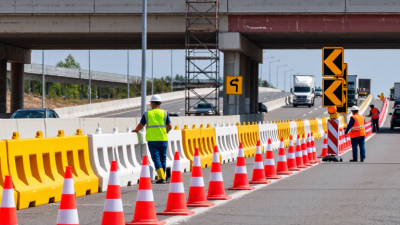
China’s transportation safety infrastructure sector serves highways, urban roads, bridges, tunnels, and transit projects. Suppliers may provide guardrails, crash cushions, traffic signs, road markings, lighting, barriers, and monitoring systems. Their products help guide road users and reduce exposure to common hazards. Yet a catalog alone cannot show how equipment performs in local conditions.
This guide introduces leading supplier considerations for buyers comparing China-based manufacturers. It looks at product range, production experience, quality controls, technical documentation, customization, and after-sales support. Details matter. A credible supplier should explain material specifications, testing procedures, installation requirements, and maintenance needs in clear terms. Buyers can also request project references and verify certificates with the issuing organizations. Not every supplier fits.
The right choice depends on road design, climate, traffic volume, and project requirements. A roadside barrier designed for one setting may not suit another. This is easy to overlook. Claims about durability or compliance should be checked against current documents and independent assessments, rather than accepted from marketing language alone. The companies discussed under China Top Transportation Safety Infrastructure Suppliers should therefore be treated as a starting point for research, not a universal ranking. Careful comparison can help project teams identify partners whose products, evidence, and support match real-world needs.
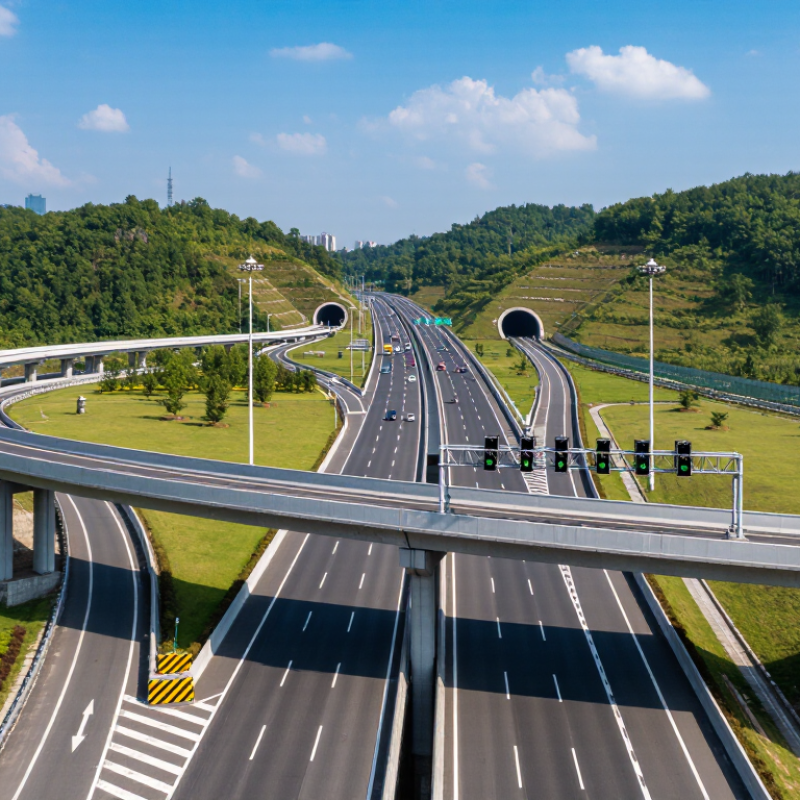
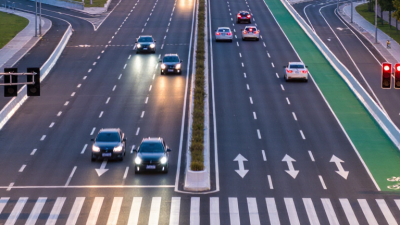
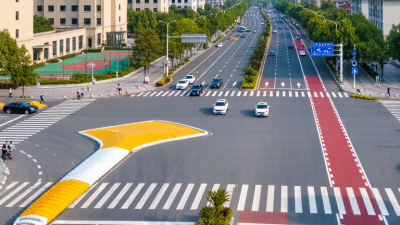
Defining transportation safety infrastructure in China means looking beyond guardrails and traffic signs. It includes road geometry, median barriers, lighting, safe crossings, speed-management features, bridge and tunnel protections, and systems that detect hazards or support emergency response. On railways and at transport hubs, it also covers platform edges, pedestrian routes, warning systems, and clear evacuation paths. The aim is practical: reduce the chance of a crash and limit harm when one occurs.
Scale makes the task distinct. China’s Ministry of Transport reported about 5.44 million kilometers of highway and roughly 184,000 kilometers of expressway at the end of 2023 in its Statistical Bulletin on the Development of the Transport Industry. That network spans dense city streets, mountain roads, long bridges, and rural routes. One design cannot fit every setting. Details matter. A crossing near a school needs different protection from a high-speed interchange.
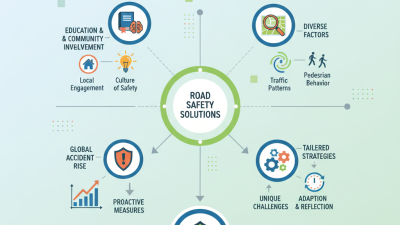
The World Health Organization’s Global Status Report on Road Safety 2023 estimates that road crashes caused 1.19 million deaths worldwide in 2021. It also identifies road injury as the leading cause of death for people aged 5–29. These figures explain why safety infrastructure must combine physical design with maintenance, clear information, and timely incident response. A newly installed barrier can still fail its purpose if damaged or poorly positioned. And kilometer totals alone do not tell us whether people feel safe crossing a busy road; that gap deserves more attention.
China’s transportation safety infrastructure spans roads, railways, tunnels, bridges, and busy urban intersections. Each setting needs a different mix of protective equipment and monitoring technology. On highways, barriers, impact-absorbing terminals, reflective markers, and weather-resistant signs help guide drivers and reduce collision severity. Small details matter. A marker obscured by road spray can be easy to miss at night.
Rail corridors often combine intrusion barriers, trackside sensors, warning signals, and surveillance systems. In tunnels, fire detection, emergency lighting, ventilation controls, and clear evacuation signs must work together. A single device rarely provides enough protection. Systems need reliable power, compatible communications, and routine testing under real operating conditions.
For suppliers, useful capabilities include documented product testing, installation guidance, and support for inspection and replacement. Bridge-monitoring sensors can track vibration or structural movement, while cameras and traffic detectors help operators identify incidents. Still, a polished specification can overstate field readiness. Dust, heavy rain, glare, and aging cables may affect performance, and these conditions deserve honest evaluation. Maintenance access matters too: equipment that is difficult to reach may remain faulty longer than planned. In China’s varied climates and traffic environments, project teams should compare equipment against site-specific hazards, not just catalog descriptions.
Transportation safety infrastructure suppliers generally specialize in barriers, traffic control, road markings, or monitoring systems. Barrier suppliers engineer guardrails and crash cushions to manage impact energy and protect roadside hazards. Signal and intelligent transport system providers integrate controllers, detection devices, and communication equipment. Marking and signage suppliers focus on visibility, durable materials, and legibility in rain or at night. Monitoring specialists add cameras, sensors, and weather data for faster incident response.
A supplier’s core capability is not just manufacturing. Look for documented testing, installation guidance, maintenance support, and products suited to local roads and climate. The World Health Organization’s Global status report on road safety 2023 estimates 1.19 million road deaths each year. That figure makes lifecycle performance important: a reflective sign must remain readable, and a barrier must be inspected after impact. Still, a catalog cannot answer every site question. Real traffic conditions matter.
Tip: Request test records, service intervals, and sample installation details. Check how components perform in heat, heavy rain, or low light. Small gaps in evidence matter.
When evaluating transportation safety infrastructure suppliers in China, compare evidence, not presentation quality. Request test reports for the exact equipment configuration under consideration. Check whether the reports identify test conditions, dates, and measurable results. Ask for references from installations with similar traffic volume, weather, and road layout. A polished brochure is not enough.
Compare solutions against your site requirements. For a roadside warning system, examine detection range, response time, visibility in rain, and compatibility with existing signals. For barriers or lighting, review material specifications, expected service life, and inspection needs. Details matter. Ask how components perform during power interruptions and who handles calibration after installation. Confirm that spare parts and technical support will remain available over the planned operating period.
A low purchase price can hide higher installation or maintenance costs. Request a breakdown covering commissioning, staff training, replacement parts, and routine checks. Speak with the engineers who will support the equipment, not only the sales team. Their answers should be specific and consistent with the documentation. Site visits can help, though access and project conditions may limit what they show. Even a careful comparison cannot remove every uncertainty; record assumptions and unresolved questions before choosing.
Procurement for transportation safety infrastructure in China should start with the hazard, not the catalogue. The WHO’s Global Status Report on Road Safety 2023 records about 1.19 million road deaths annually worldwide and estimates that crashes cost most countries roughly 3% of GDP. Small specification gaps matter. Buyers should define measurable requirements for visibility, impact resistance, environmental protection, service life, and compatibility with existing systems.
Ask suppliers for valid quality-management certificates, product test reports, calibration records, and traceability from component batch to finished unit. Confirm that certificates cover the actual manufacturing site and relevant product scope. The World Bank’s 2017 report, The High Toll of Traffic Injuries, found that halving road deaths and injuries could raise GDP per capita by 7–22% over 24 years in five studied countries. Certification is only a starting point. Independent test results and factory checks help verify what paperwork cannot.
Project delivery deserves equal scrutiny. Set inspection points for factory testing, on-site installation, and final acceptance; specify who records defects and how quickly they must be corrected. Check packaging, storage limits, spare-part availability, and training plans before shipment. A sample installation can expose fit problems early. Schedules still slip. Build realistic buffers for site access, weather, and coordination with civil works, and link payments to documented milestones rather than promises alone.